University of Bern and ETH Zurich lead new Centre of Competence in Research
Thanks to the pioneering climate research at the University of Bern, it is taking over the direction of a new National Centre of Competence in Research together with ETH Zurich. This was decided by the Federal Department of Economic Affairs, Education and Research (EAER). The NCCR CLIM+ research focus investigates climate and weather extremes and develops strategies on how Switzerland can effectively adapt to them. Researchers from the University of Bern are also involved in the NCCR Genesis, which will investigate the origin of life and the possibility of life in the universe.
The Swiss National Science Foundation (SNSF) has been funding the so-called National Centres of Competence in Research (NCCR) since 2001. These long-term research projects are determined by the federal government and deal with topics of central strategic relevance for Switzerland. An NCCR brings together several research groups that work together in an interdisciplinary, cross-university network with partners from the academic, public and private sectors. The NCCRs aim to structure the Swiss research landscape and strengthen its international network. NCCRs are each led by one or two home institutions, which also contribute substantial funds of their own.
To date, a total of five series of Centres of Competence in Research have been launched. The Federal Department of Economic Affairs, Education and Research (EAER) has now identified six new Centres of Competence in Research in a sixth series. The selected and approved Centres of Competence in Research include the NCCR CLIM+ (Climate Extremes and Society: Strengthening Resilience), which is led by the University of Bern (Prof. Karin Ingold) and the Swiss Federal Institute of Technology Zurich (Prof. Sonia I. Seneviratne). The research focus investigates climate and weather extremes and how society's resilience can be strengthened. Researchers from the University of Bern are also involved in the NCCR Genesis, which is led by ETH Zurich (Prof. Didier Queloz) and the University of Lausanne (Prof. Johanna Marin Carbonne) and will investigate the origin of life and the possibility of life in the universe.
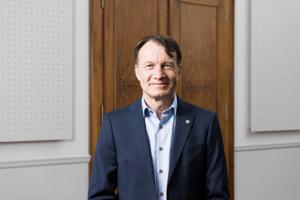
"We are very pleased that the federal government has decided in favor of a Centre of Competence in Research under the leadership of the University of Bern together with ETH Zurich. This underlines the University of Bern's decades of excellence in climate research, particularly in research into the consequences of climate change," says Hugues Abriel, Vice-Rector for Research and Innovation at the University of Bern. "The reality that we are also significantly involved in the NCCR Genesis underlines the fact that the University of Bern makes extremely important contributions to space research," Abriel continues.
Strengthening resilience to climate extremes
Climate and weather extremes are a reality and are also affecting Switzerland more and more frequently. Heavy rainfall, flooding, forest fires, prolonged heatwaves, pronounced dry spells and the simultaneous occurrence of several such phenomena have increased noticeably in recent years. Both urban areas and rural and mountainous regions are affected, making targeted and forward-looking adaptation strategies necessary. This is where the new NCCR CLIM+ comes in, led by the two co-directors Karin Ingold, Professor of Policy Analysis and Environmental Governance (PEGO) at the Institute of Political Science at the University of Bern and President of the Oeschger Centre for Climate Change Research (OCCR), and Sonia I. Seneviratne, Professor at the Institute of Atmospheric and Climate Science at ETH Zurich and Vice-President of Working Group I of the Intergovernmental Panel on Climate Change/IPCC.
Scientists from the natural and social sciences will work together on an interdisciplinary and transdisciplinary basis as part of the NCCR CLIM+. The solutions will be developed together with authorities, society and industry so that they can be applied in practice. "With the NCCR CLIM+, we want to accompany the Swiss population into a resilient and secure future and at the same time strengthen Switzerland's role as an international leader in understanding climate and weather extremes and in developing suitable solutions," says Karin Ingold. "As global warming and weather events will become even more extreme in the future, it is not enough to understand climate change in physical terms alone. We need to understand how the climate is changing society and the way we live together," adds Sonia Seneviratne.
The NCCR CLIM+ will receive CHF 16.88 million from the federal government in the first operating phase from 2026 to 2029. Including the universities' own funds, the total budget amounts to CHF 32.55 million.
Center for climate research and society
An important long-term goal of the NCCR CLIM+ is the establishment of the Center for Climate Extremes and Resilience in Swiss Society (CERESS). CERESS will collaborate with universities and research groups from the climate, political and social sciences throughout Switzerland. "The center will support nationwide research projects, co-design 'living labs', develop implementable solutions and thus create a link between science, society, practice and politics. CERESS will also fundamentally improve access to national and international climate data," explains Ingold. "The aim is to address real everyday questions such as: What does extreme heat mean for the construction and cooling of hospitals? To what extent do extreme temperatures jeopardize supply chains by rail and road?"
Discovering the traces of the origin of life
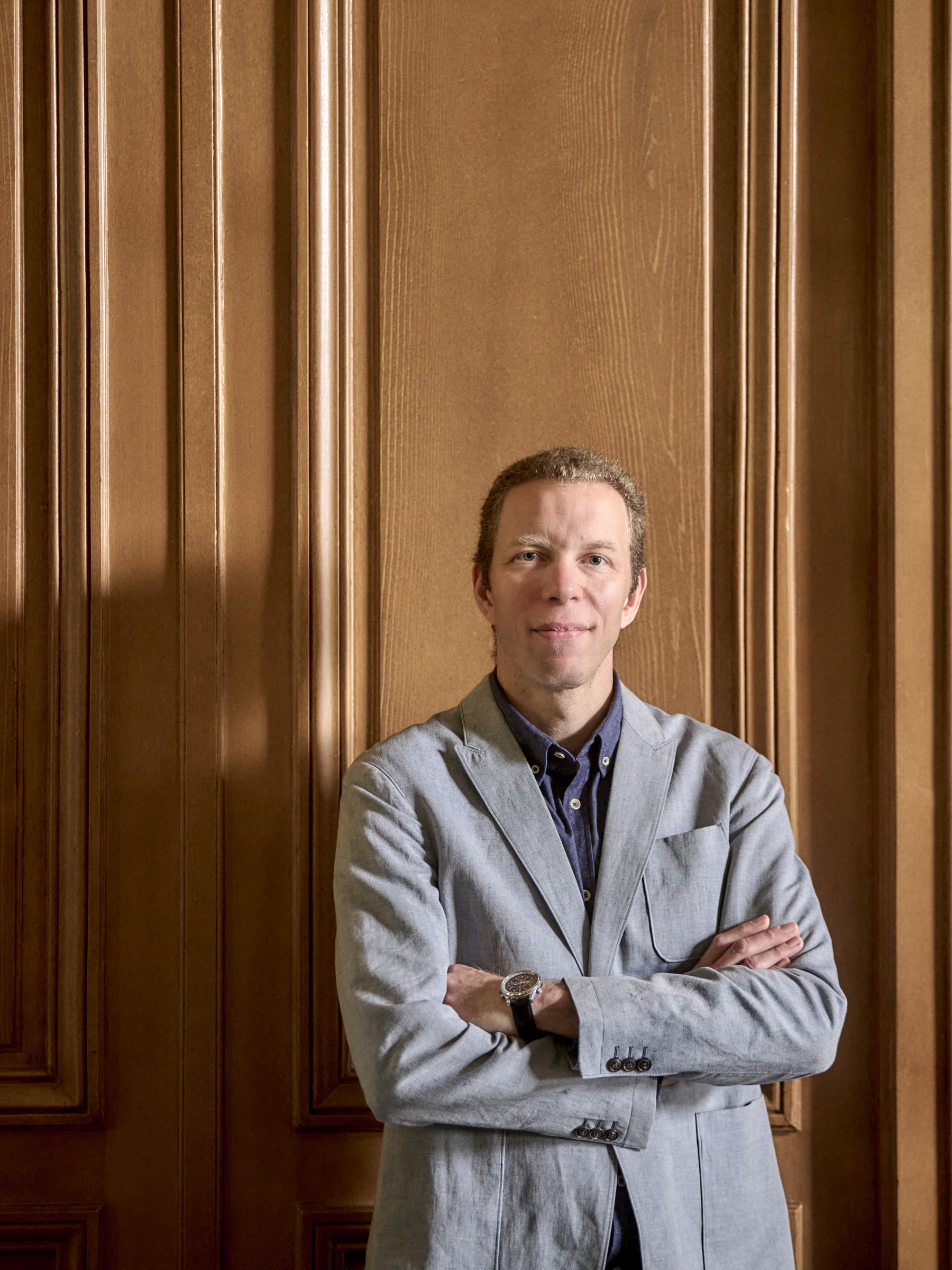
Researchers from the University of Bern are also involved in the NCCR Genesis, which is led by ETH Zurich and the University of Lausanne. The research focus aims to answer profound scientific questions of mankind such as "how did life on earth emerge" or "is the universe full of life". "Thanks to new discoveries of exoplanets and advances in biochemistry and earth sciences, there is now an opportunity to address these fundamental questions with new methods," explains Brice-Olivier Demory, Professor of Astrophysics, Director of the Center for Space and Habitability and Professor at the ARTORG Center for Biomedical Engineering Research at the University of Bern. "Building on existing multidisciplinary centers such as the Center for Space and Habitability (CSH) at the University of Bern, the NCCR Genesis enables a new type of close collaboration between Swiss research institutions across disciplinary boundaries," concludes Demory.
Further information on the NCCR CLIM+: https://www.nccr-climplus.ch/
30.01.2026