Succulents as role models: new opportunities for plants under drought?
Managing water like a succulent: a research team led by the University of Bern has decoded a mechanism by which an inconspicuous succulent regulates the uptake of carbon dioxide via the leaf surface so finely that it receives enough for photosynthesis without losing too much water – and can therefore conserve water efficiently. The findings might be translated to crops to induce higher drought resistance and ensure yields during heat and drought.
Plants employ photosynthesis to synthesize energy-rich substances like carbohydrates using sunlight, water and carbon dioxide (CO₂), which they need for growth and metabolism. While water is taken up by the plant’s root system, CO₂ must be absorbed from the atmosphere. To do this, it opens its tiny stomata on the leaf surface, which let the CO₂ in, but this also leads to a loss of water to the outside – similar to sweating in humans. Plants must therefore regulate their stomata so that they get enough CO₂ for photosynthesis without losing too much water – which is a particular challenge in hot and dry conditions. Certain types of plants, such as succulents, have developed strategies to adapt to extremely dry environments; they store water in large cells of their thick, fleshy leaves, stems or roots and, unlike most plants, open their specialized stomata for gas exchange primarily at night, when temperatures are cooler and water loss is minimal.
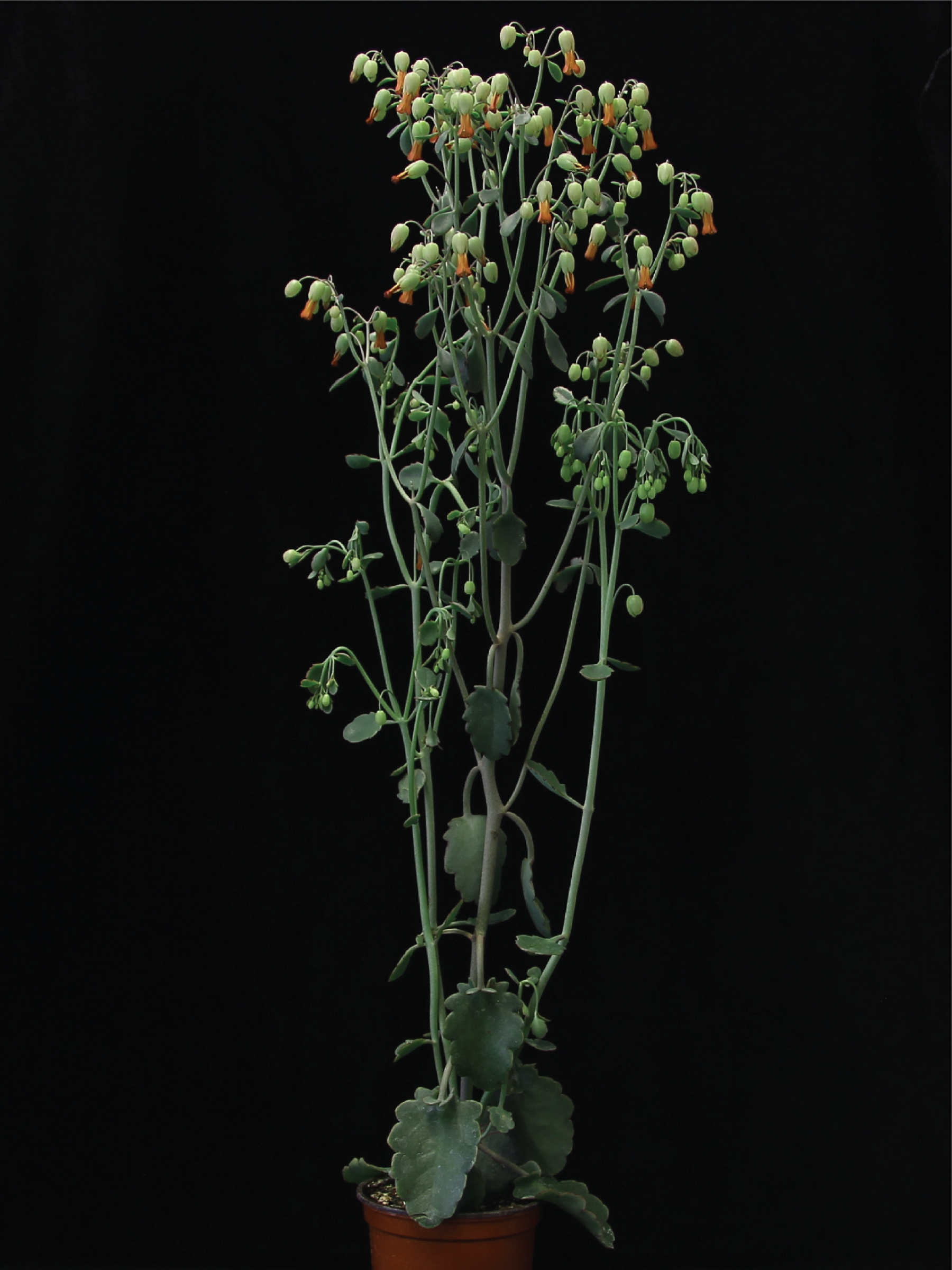
An international research team led by researchers from the Institute of Plant Sciences and the Oeschger Centre for Climate Research at the University of Bern, in collaboration with the University of Liverpool, has used the leaf succulent Kalanchoë laxiflora to show how the water-saving succulents form their specialized stomata. The research group thus provides a basis for transferring such water-saving mechanisms to crop plants in the future. The study was recently published in Science Advances.
The tricks of succulents: Why Kalanchoë laxiflora serves as a model plant
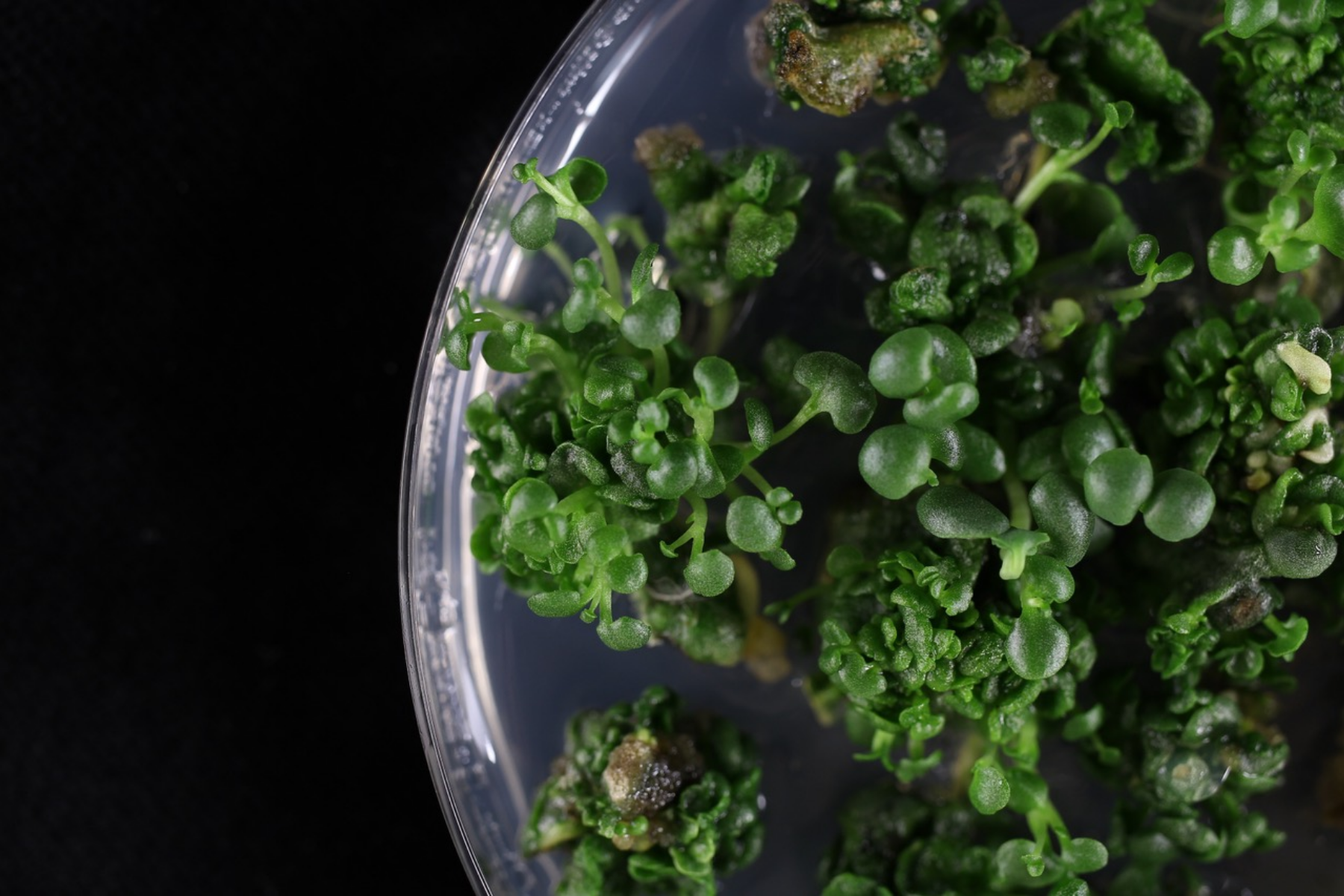
"A model system is a particularly well-studied example organism – in our case a succulent plant – that can be used to decipher basic mechanisms that could be transferred to other plants, such as crops," explains Xin Cheng, co-first author of the study and former doctoral student at the Institute of Plant Sciences at the University of Bern. Heike Lindner, co-first author of the study from the Institute of Plant Sciences and Oeschger Centre for Climate Change Research at the University of Bern, adds: "A key aspect of Kalanchoë laxiflora is that it forms seeds in a relatively short time. We have also decoded its genetic information and developed methods to genetically manipulate the plant. This makes it an ideal tool for analyzing the development of water-saving mechanisms in succulents in detail." Lindner was recently awarded an SNSF Starting Grant for research into the development of leaf succulence and the establishment of water-saving photosynthesis in the model system Kalanchoë laxiflora.
A gene switch with a key role for climate-resilient plants
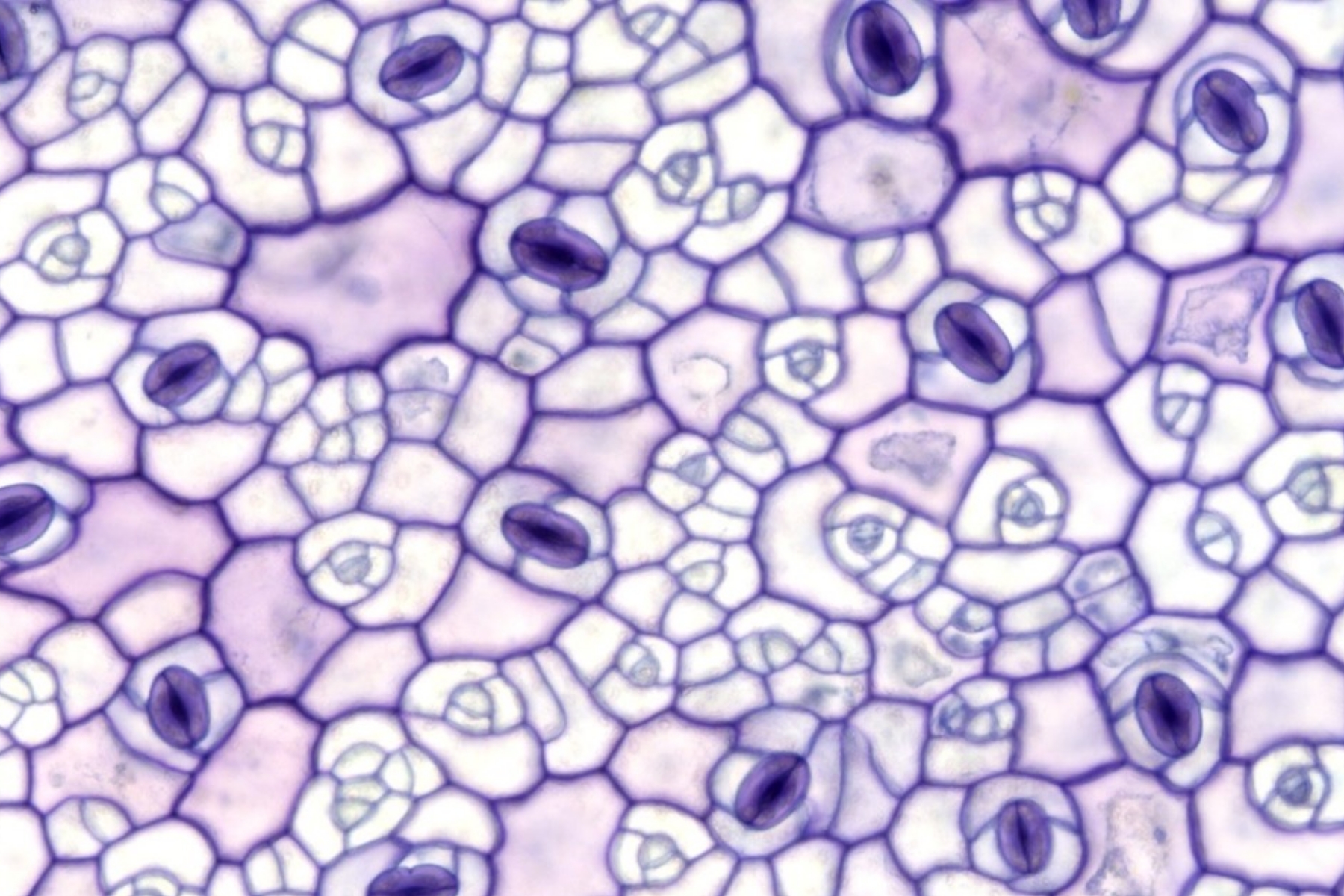
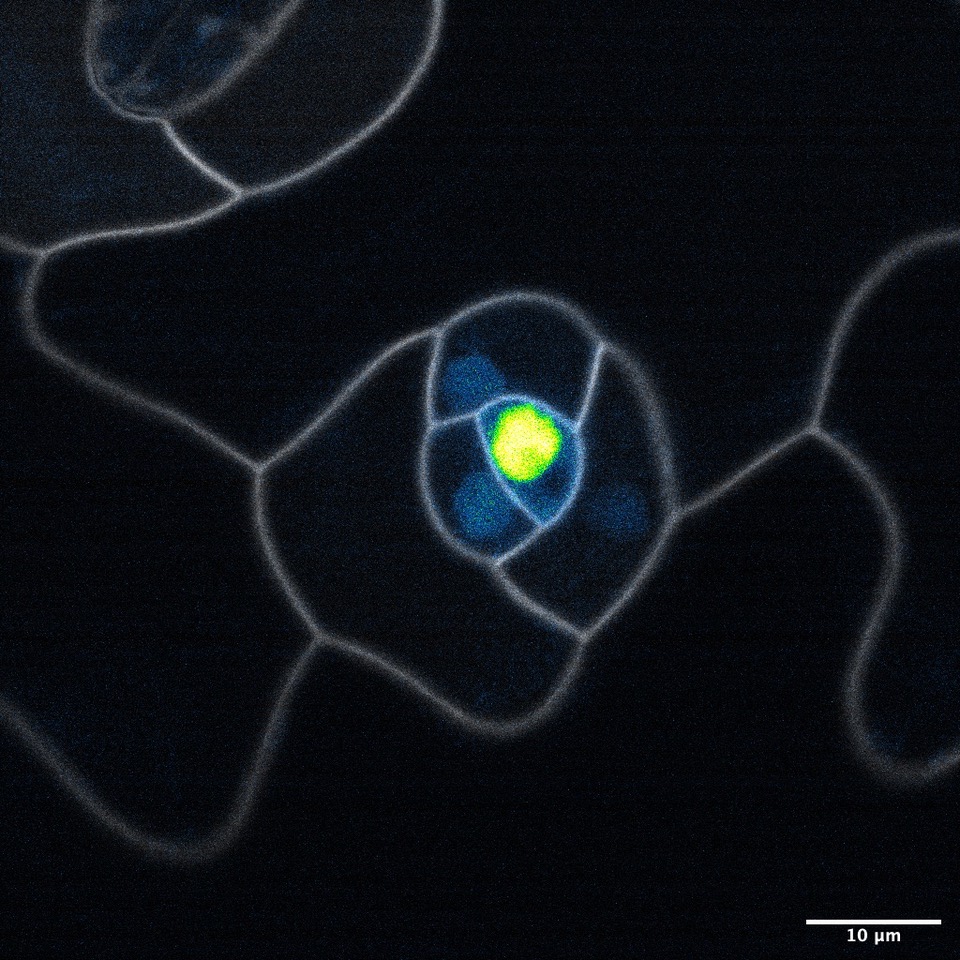
The current study focuses on the so-called MUTE protein, a gene switch that controls how the cells of the stomata form. So far, thale cress has been primarily used as a classic model plant in research. "The MUTE protein ensures that the so-called guard cells form in thale cress. In addition, MUTE limits further cell divisions in thale cress, from which specialized helper cells could form," explains Lindner. "In our succulent model Kalanchoë laxiflora, however, the MUTE protein drives additional cell divisions, from which the characteristic helper cells emerge," explains Lindner. "Our results indicate that these auxiliary cells are involved in ion transport and thus support the movement of the guard cells and contribute to the regulation of gas exchange," says Lindner.
The function of MUTE in Kalanchoë laxiflora is thus similar to that of grasses, where the protein is also involved in the formation of specialized auxiliary helper cells. In contrast to succulents, grasses do not close their stomata during the day, but they are also well adapted to water stress. "Our results show that the same gene switch MUTE contributes to the formation of helper cells in both succulents and grasses – plants that are evolutionarily far apart and have different forms of photosynthesis – to help stomata regulate gas exchange in a water-use efficient manner," explains Michael Raissig, last author of the study and professor at the Institute of Plant Sciences and Oeschger Centre for Climate Change Research at the University of Bern. The researchers interpret the fact that MUTE has taken on this new function in succulents and grasses – in contrast to thale cress – as a strong indication that this gene switch enables the diversity of stomatal forms and thus contributes directly to adaptation to diverse habitats and water availabilities. Raissig adds: "The central and independently developed function of the MUTE protein makes it a particularly promising entry point for modifying the stomata of crop plants to help them withstand drought stress."
From the succulent to the field: prospects for agriculture
"The findings gained from Kalanchoë laxiflora have great potential for agricultural practice far beyond basic research," explains Raissig. Once it is clear which genes and cell types enable succulence and thus water-saving plant life, breeding and biotechnology could work specifically towards introducing or enhancing similar traits in cultivated plants – for example in cereals, vegetables or fodder plants. "If we understand these processes, succulent systems could be established in crop plants. In the long term, the lessons we learn from succulents could lead to more robust, drought-adapted varieties that make an important contribution to global food security in times of climate crisis and at the same time help to conserve water resources," concludes Lindner.
Publication details:Cheng, X., Lindner, H. et al. (2026). MUTE drives asymmetric divisions to form stomatal subsidiary cells in Crassulaceae succulents. Science Advances. |
The Institute of Plant SciencesThe Institute of Plant Sciences at the University of Bern is dedicated to understanding the functioning, growth and development of plants. Basic research at the Institute covers many areas, from physiology to ecology, from molecules and cells to whole plants and vegetation. |
The Oeschger Centre for Climate Change ResearchThe Oeschger Centre for Climate Change Research (OCCR) is one of the strategic centers of the University of Bern. It brings together researchers from 14 institutes and four faculties. The OCCR conducts interdisciplinary research at the forefront of climate science. The Oeschger Centre for Climate Change Research was founded in 2007 and bears the name of Hans Oeschger (1927-1998), a pioneer of modern climate research who worked in Bern. |
25.03.2026