Nine SNSF Starting Grants for researchers at the University of Bern
Nine awarded research projects: Of the 425 applications submitted to the Swiss National Science Foundation's (SNSF) call for proposals for its SNSF Starting Grants 2025, nine from the University of Bern are being supported. The funding amount for the researchers having submitted with the University of Bern is over 15 million Swiss francs in total.
With its SNSF Starting Grants, the Swiss National Science Foundation (SNSF) enables young researchers to carry out their own research project and lead a research team in Switzerland. SNSF Starting Grants represent the highest level of SNSF career funding and are aimed at researchers with several years of research experience who have already contributed with important work to their field. In autumn 2024, the SNSF launched its own call for SNSF Starting Grants for the first time. Until 2024, SNSF Starting Grants were a funding instrument that included the Swiss transitional measure for Starting Grants of the European Research Council (ERC). Since 2025, Swiss researchers are again able to apply for the Starting Grants of the ERC. The SNSF Starting Grants now represent an independent funding instrument for researchers in Switzerland, in addition to European research funding.
Funding in numerous disciplines
A total of 41 projects will be funded with around CHF 72 million from the 425 applications submitted in the 2025 call for SNSF Starting Grants. Around a fifth of the 41 selected projects are being carried out at the University of Bern. The SNSF Starting Grants are open to young researchers from all disciplines.
«We are very pleased about the high number of funded young researchers at the University of Bern. This exemplifies the excellent research conditions for outstanding young researchers at our university», says Hugues Abriel, Vice-Rector for Research and Innovation at the University of Bern. He further emphasizes the diversity of the award-winning projects: «The wide range of funded projects reflects the strength of the University of Bern's position in numerous disciplines.»
The award-winning research projects cover topics such as the impact of cryptocurrencies on financial stability, the cognitive development in children, cell regeneration in lung tissue, the formation of molecules of life in space, the effects of sustainability regulations in West African fisheries, the role of the hippocampus in social anxiety disorders, the development of water-saving leaves in succulents, the formation of Neptune-like planets in other solar systems and the ethics of our language use in the context of artificial cognition.
Brief descriptions of the projects and contact details can be found below.
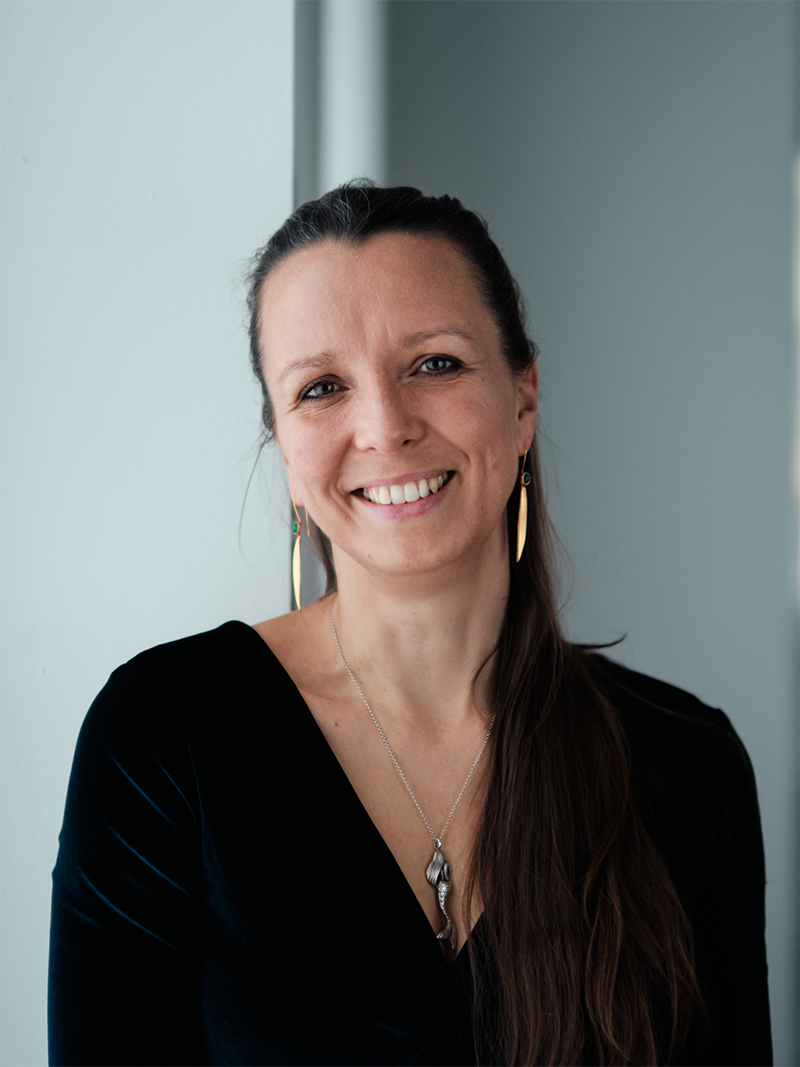
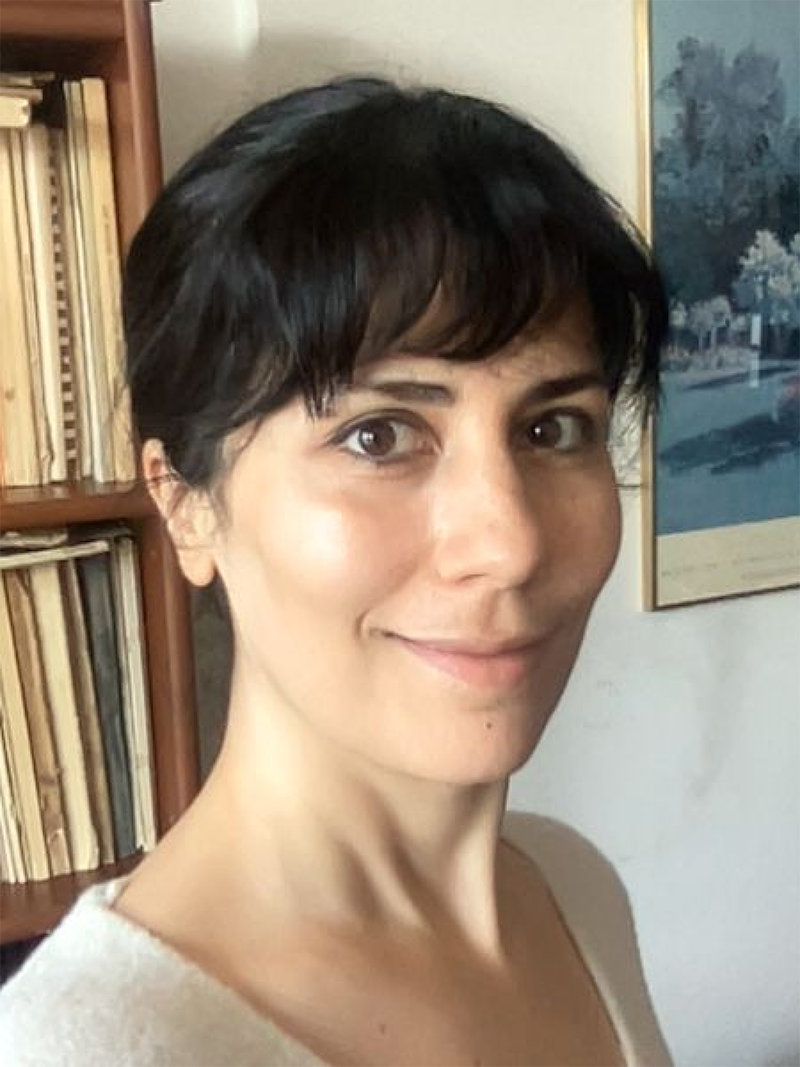
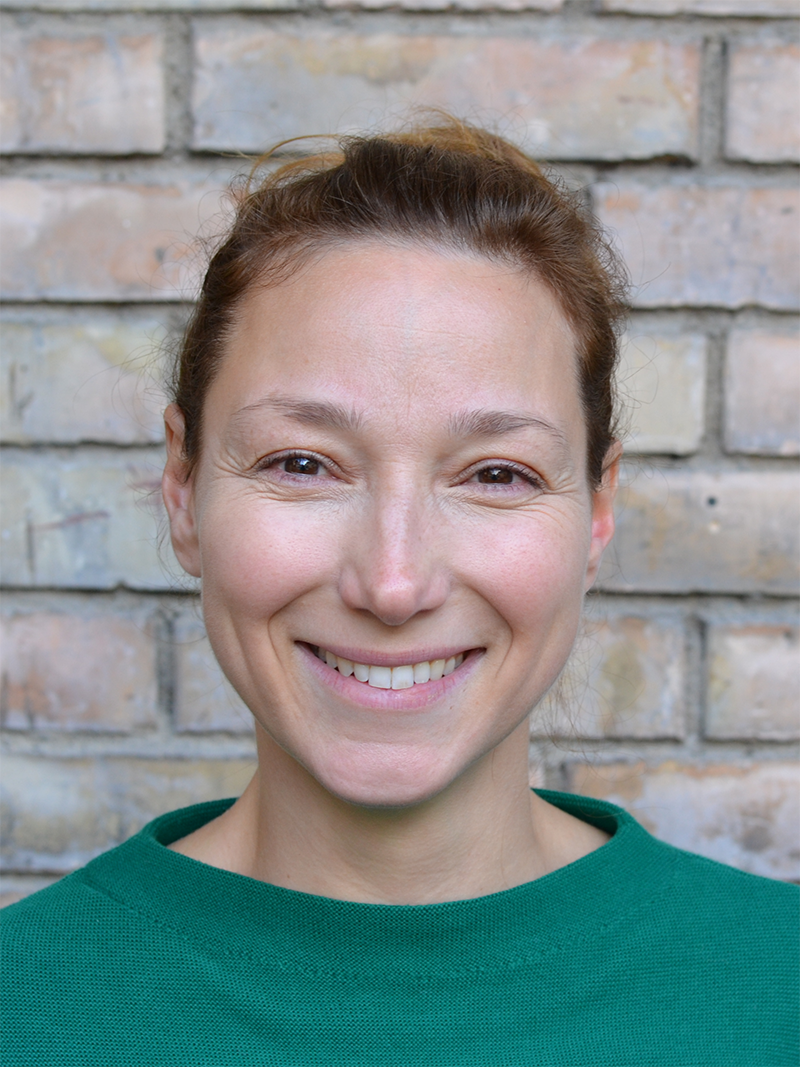
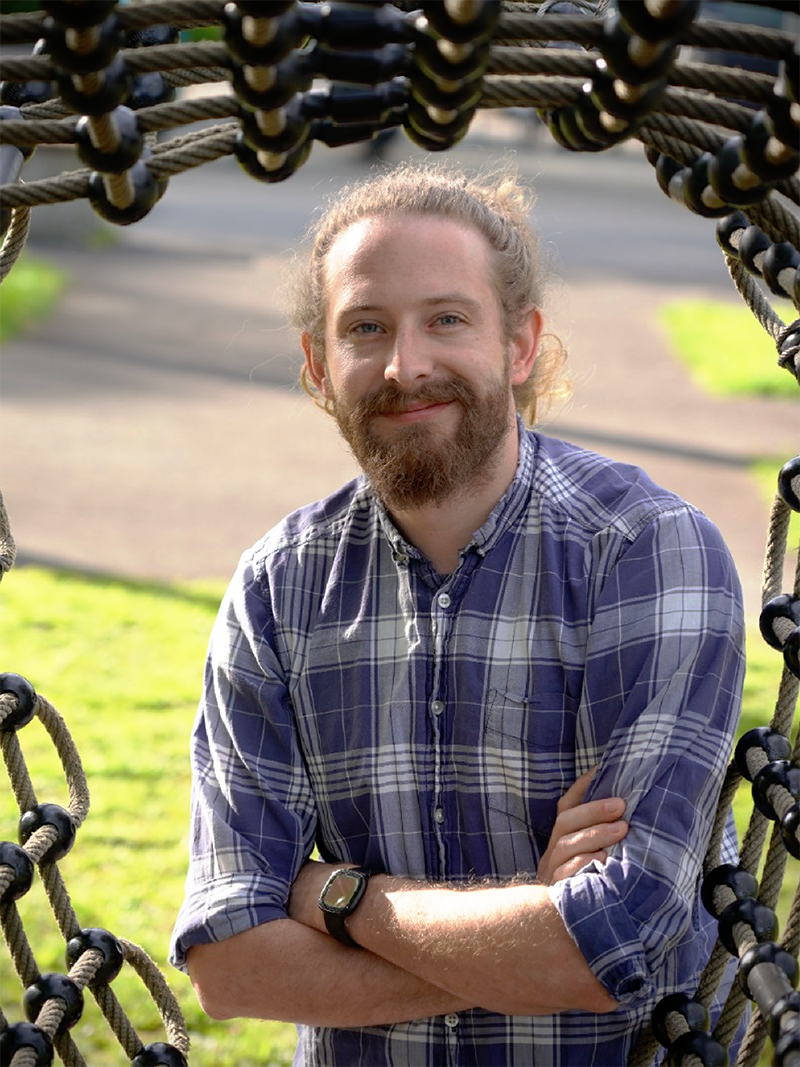
Financial Stability in an Era of Digital CurrenciesProject leader:Lukas Altermatt, Institute of Economics, University of Bern (currently at the Department of Economics Faculty of Social Sciences University of Essex, Great Britain and Northern Ireland) Project description:Digital currencies such as Bitcoin, other cryptocurrencies and stablecoins have become increasingly important in recent years, reaching a market share comparable to that of traditional currencies. The project examines what impact this development will have on financial stability. Theoretical models will be used to analyze whether cryptocurrency volatility leads to greater portfolio fluctuations for investors and, in turn, affects the real economy, particularly the labor market. It will further examine what measures central banks can take to limit risks and whether central bank digital currency (CBDC) could help to stabilize the financial system. About Lukas AltermattLukas Altermatt is currently lecturer at the University of Essex in the UK and will carry out his SNSF Starting Grant project at the Institute of Economics at the University of Bern. After completing his PhD at the University of Basel in 2019, he undertook postdoctoral research stays at the University of Wisconsin and the Federal Reserve Board of St. Louis before taking up his current position at Essex in 2020. Lukas Altermatt's research focuses on the transmission of monetary policy to the real economy and financial markets, the impact of monetary policy on financial stability, and the role of digital means of payment in the modern economy. Contact:Lukas Altermatt, Department of Economics Faculty of Social Sciences University of Essex, Great Britain and Northern Ireland |
Neural and Behavioral Mechanisms of Cognitive Development Across Infancy, Childhood, and Adolescence: From Sleep to Multisensory Integration (PREDICT)Project leader:Aleksandra K. Eberhard-Moscicka, Institute of Psychology, University of Bern Project description:How does the brain build the foundations for perception, movement, and thinking – and how do these abilities refine as children grow? PREDICT integrates neuroscience, psychology, and technology to investigate how sleep, brain connectivity, and multisensory processing shape cognitive development. Using child-friendly brain-activity recordings (128-channel EEG), eye- and motion-tracking, and cognitive testing, the project follows infants/toddlers in their first two years of life and studies children aged 6 to 15 years to reveal how early brain and behavioral patterns relate to the development of sensory, motor, and cognitive abilities – and to build knowledge that supports earlier identification and more targeted developmental support. About Aleksandra K. Eberhard-MoscickaAleksandra Eberhard-Moscicka investigates how the human brain learns, adapts, and ages - and how modern technologies can help to understand and support these processes. She earned her PhD in Neuroscience at the University of Zurich, where she investigated neural and behavioral mechanisms of reading development in children. At the University of Bern and Inselspital, Bern University Hospital, she combines cognitive and translational neuroscience and uses multimodal signals such as 256-channel EEG, eye-tracking, and non-invasive brain stimulation to model cognitive processes and their changes across the lifespan. She leads clinical and experimental projects with international partners, such as in Hong Kong and the USA, supervises students in advanced neurophysiological data analysis, and engages in lifelong-learning initiatives such as the Seniorenuniversität Bern. Contact:Aleksandra Katarzyna Eberhard-Moscicka, Institute of Psychology, University of Bern |
IMMUNOCODE - Decoding the Role of Immune Aging in Regenerative Cell State Dysfunction in Pulmonary FibrosisProject leader:Janine Gote-Schniering, Department for BioMedical Research (DBMR), University of Bern; University Clinic for Rheumatology and Immunology, and University Clinic for Pneumology, Allergology and Clinical Immunology, and Inselspital, Bern University Hospital Project description:As we age, the lung progressively loses its ability to regenerate after injury, often leading to serious consequences such as pulmonary fibrosis – a devastating disease characterized by excessive scarring of lung tissue. Recent evidence suggests that immune ageing plays a central role in this process. IMMUNOCODE investigates how aged T-cells disrupt the function of regenerative cellular networks in the lung, thereby driving fibrotic processes. Using state-of-the-art imaging, multi-omics analyses, and human 3D-tissue models, the project aims to unravel the underlying molecular mechanisms. The goal is to develop new therapies to correct immune-mediated regenerative dysfunction and to prevent or reverse fibrosis in the lung. About Janine Gote-SchnieringJanine Gote-Schniering has been a Junior Group Leader at the Clinic for Rheumatology and Immunology and the Clinic for Pneumology, Allergology and Clinical Immunologyat the Inselspital, Bern University Hospital, and the Lung Precision Medicine Program at the Department for BioMedical Research, University of Bern, since 2023. Her research bridges fundamental and translational science to develop new diagnostic and therapeutic strategies for fibrotic lung diseases. She combines high-resolution imaging, AI-based radiomic analyses, and molecular omics approaches in preclinical models and patient cohorts to decipher the cellular and molecular mechanisms of pulmonary fibrosis and to develop innovative, non-invasive biomarkers for precision medicine. Her work has been recognized with several awards, including the «Paul Klee Prize for Fibrotic Diseases.» Contact:Janine Gote-Schniering, University Clinic for Rheumatology and Immunology, and University Clinic for Pneumology, Allergology and Clinical Immunology, Inselspital, Bern University Hospital |
Abiotic Organic Complexity (AOC) - Key to the evolution and detection of carbon-based lifeProject leader:Nora Hänni, Physics Institute, Space Research & Planetary Sciences (WP), University of Bern Project description:Can the molecules of life also be created in space and without life? Is there life elsewhere? Comets, remnants from the early days of the solar system, hold clues to the origins of organic astrochemistry. Using unique data from a University of Bern-led mass spectrometer on ESA's Rosetta spacecraft, the project investigates the abiotic organic complexity in comet 67P/Churyumov-Gerasimenko. Systematic inventory of organic molecules and customized data analysis methods should provide new insights into prebiotic chemistry and establish reference values for future missions, particularly those searching for traces of life. About Nora HänniAfter studying chemistry and completing a PhD in solid-state chemistry and analytics at the University of Bern, Nora Hänni switched to comet research as a postdoc. There, she used data from the Rosetta mission and accompanying laboratory experiments to investigate the chemical composition of comets (she was also awarded a «UniBE Initiator Grant» for this), until the discovery of a large number of signatures of complex organic molecules presented her with challenges. Alongside her research and teaching activities at the University of Bern, she is currently completing a CAS in Applied Data Science, aiming to break new ground in deciphering this unique space data as part of her interdisciplinary and collaborative project. Contact:Nora Hänni, Physics Institute, Space Research & Planetary Sciences (WP), University of Bern |
Social and ecological responsibility through regulatory governance? Navigating formalisation in West African fisheriesProject leader:Vanessa Jaiteh, Centre for Development and Environment CDE, University of Bern Project description:West African fisheries for small pelagics (sardinella, anchovy, mackerel) sustain millions of lives and livelihoods but face mounting pressure from over- and illegal fishing. The implementation of various treaties and regulations to counteract this is driving rapid formalization, i.e. the subjection of informal practices to formal rules which states can implement, monitor, and enforce. This project examines how these requirements - designed to combat illegal fishing, ecological decline and labor exploitation - reshape informal relations, gendered resource access, and fish stocks in Ghana, Senegal, and The Gambia. Through ethnographic fieldwork, participatory modelling, and arts-based methods, SIRENA explores whose knowledge counts in regulatory processes, aims to make women's contributions more visible, and works to shape governance approaches that better serve ocean sustainability and social justice. About Vanessa JaitehVanessa Jaiteh is a transdisciplinary marine scientist whose research explores the social, ecological and regulatory dimensions of tropical fisheries. With a PhD from Murdoch University, she has lived and worked in Australia, Indonesia, Palau, New Caledonia, and Ghana, examining fishing livelihoods, bycatch, and labor conditions at sea. Her research on Indonesia's shark fishery was featured in BBC's «Our Planet» and recognized through the Prime Minister's Australia Asia Endeavour Award. She served as Principal Fisheries Scientist for the Republic of Palau before completing postdocs with the Pacific Community (SPC), the University of Nottingham's Rights Lab, and most recently the University of Bern’s Centre for Development and Environment. Contact:Vanessa Jaiteh, Centre for Development and Environment (CDE), University of Bern |
Hippocampal circuits for the discrimination of social threat from social safetyProject leader:Pegah Kassraian, Experimental Neurology Center (ZEN), Inselspital, Bern University Hospital; University Hospital of Psychiatry and Psychotherapy, Universitäre Psychiatrische Dienste (UPD) (currently at Mortimer B. Zuckerman Mind Brain Behaviour Institute, Columbia University, USA) Project description:A key cognitive ability for an adaptive social life is the discrimination between threatening and safe social experiences. Failure thereof can cause maladaptive social fear and social avoidance, characteristics of social anxiety disorder, the most common anxiety disorder. Although the hippocampus is essential for memory encoding and recall, its role in processing memories of safe versus threat-associated social experiences is little known. This project addresses this knowledge gap using behavioral assays, circuit-specific manipulations, and neural imaging across social experiences. Findings will reveal how disruptions in hippocampal function may lead to social withdrawal and avoidance seen in social anxiety, autism, and schizophrenia. About Pegah KassraianPegah Kassraian is an Associate Research Scientist at Columbia University’s Zuckerman Institute in New York, which she joined with a SNSF postdoc mobility fellowship after obtaining a PhD in Neuroscience at ETH Zurich. She has conducted human and preclinical studies on the neural basis of social behavior and its disruption in disorders such as social anxiety, autism, and schizophrenia. By integrating behavioral, circuit, and computational approaches, she demonstrated at Columbia University that the hippocampal CA2 region, known for its role in social memory, is essential for distinguishing safe from threatening social experiences. She received among others Columbia’s «Postdoctoral Excellence Award» and the «Swiss Stress Network Junior Investigator Award.» Contact:Pegah Kassraian, Mortimer B. Zuckerman Mind Brain Behavior Institute, Columbia University, USA |
CAMatomy - Dissecting the anatomical requirements for CAM photosynthesis in Kalanchoë leaf succulentsProject leader:Heike Lindner, Institute of Plant Sciences (IPS), University of Bern Project description:Succulent plants are survivalists that have evolved various characteristics to survive prolonged drought periods. They have developed specialized tissues that can store and remobilize water during water-scarce growth periods. In addition, most succulent plants evolved a water-saving form of photosynthesis, where CO2 is taken up from the atmosphere and, together with water, converted into oxygen and sugars. The CAMatomy project will investigate how this specialized leaf anatomy develops and whether it is required for this water-saving form of photosynthesis. This knowledge can help to prepare food-relevant plants for longer drought periods. About Heike LindnerHeike Lindner is a developmental geneticist. After completing her doctorate at the University of Zurich, a postdoctorate at the Carnegie Institution for Science in Stanford, and a research stay at Heidelberg University, she is now conducting research at the Institute of Plant Sciences at the University of Bern. Her scientific work focuses on how the developmental blueprint of plants is regulated and how it influences their physiology. She is particularly interested in understanding how succulents can live more water-use efficiently and whether their survival strategies can be translated to other food-relevant plants. Contact:Heike Lindner, Institute of Plant Sciences (IPS), University of Bern |
The Exo-Neptune Census: Testing planetary formation & evolution via the detection, characterisation & population analysis of Neptune-sized planetsProject leader:Hugh Osborn, Physics Institute, Space Research & Planetary Sciences (WP), University of Bern Project description:Unlike in our own solar system, about half of stars appear to host a planet similar in size to Neptune orbiting far closer than the Earth-Sun distance. However, we are still unsure what these exo-Neptunes are made of: they could form far out in their systems from ice-rich material, or form in-place from rock & iron. To understand the origins of these planets, this project will perform a census of exo-Neptunes transiting bright & nearby stars using observations from multiple cutting-edge telescopes such as TESS, CHEOPS, VLT & James Webb. By precisely analyzing their architectures, masses & atmospheres, the project will reveal the bulk compositions of exo-Neptunes and help to fill in a key missing piece of the planet formation puzzle. About Hugh OsbornHugh Osborn grew up in Norwich, England and first started observing exoplanets while studying at University College London. He then hunted for new exoplanets using the WASP, K2 & NGTS telescopes during a PhD at Warwick. After a PostDoc in Marseille working on ESA's upcoming PLATO mission, Hugh won the CHEOPS-TESS postdoctoral fellowship in 2019. Split between MIT & Bern, he led a project within CHEOPS to detect small planets on long orbital periods initially spotted by NASA’s TESS satellite, resulting in around 25 new so-called sub-Neptunes - low-density planets between 2 and 4 times the diameter of Earth. Since 2024 he has continued this research both at Bern, at ETH (working with Prof. Didier Queloz), and as part of the CHEOPS instrument team. Contact:Hugh Osborn, Physics Institute, Space Research & Planetary Sciences (WP), University of Bern |
How We Need to Think about Artificial Cognition: The Stakes of Cognitive Language and the Ethics of Conceptual Adaptation to AIProject leader:Matthieu Queloz, Institute of Philosophy, University of Bern Project description:How should we talk about AI systems like ChatGPT - as mere statistical machines, or as thinking beings? This is where our language reaches its limits. The project explores how we need to adapt terms such as «thinking», «understanding» and «reasoning» in order to accurately describe AI and interact with it responsibly. The goal is a language that neither overestimates nor underestimates the capabilities of AI and that clearly distinguishes between intelligent information processing and consciousness or responsibility. This will lay the conceptual groundwork for the sensible regulation and safe use of AI in science, medicine, politics and everyday life. About Matthieu QuelozMatthieu Queloz is a philosopher at the University of Bern and an SNSF Ambizione Fellow. He studied in Basel and Zurich, conducted research at Oxford for several years and now works at the intersection of philosophy of language, epistemology, ethics and AI. In his books «The Practical Origins of Ideas» (OUP 2021) and «The Ethics of Conceptualization» (OUP 2025), he demonstrates how our concepts originate from human needs - and how we can further develop them in a targeted manner. His research has earned him the «Amerbach Prize» from the University of Basel and the «Lauener Prize for Up-and-Coming Philosophers» from the Lauener Foundation for Analytic Philosophy. Contact:Matthieu Queloz, Institute of Philosophy, University of Bern |
05.12.2025