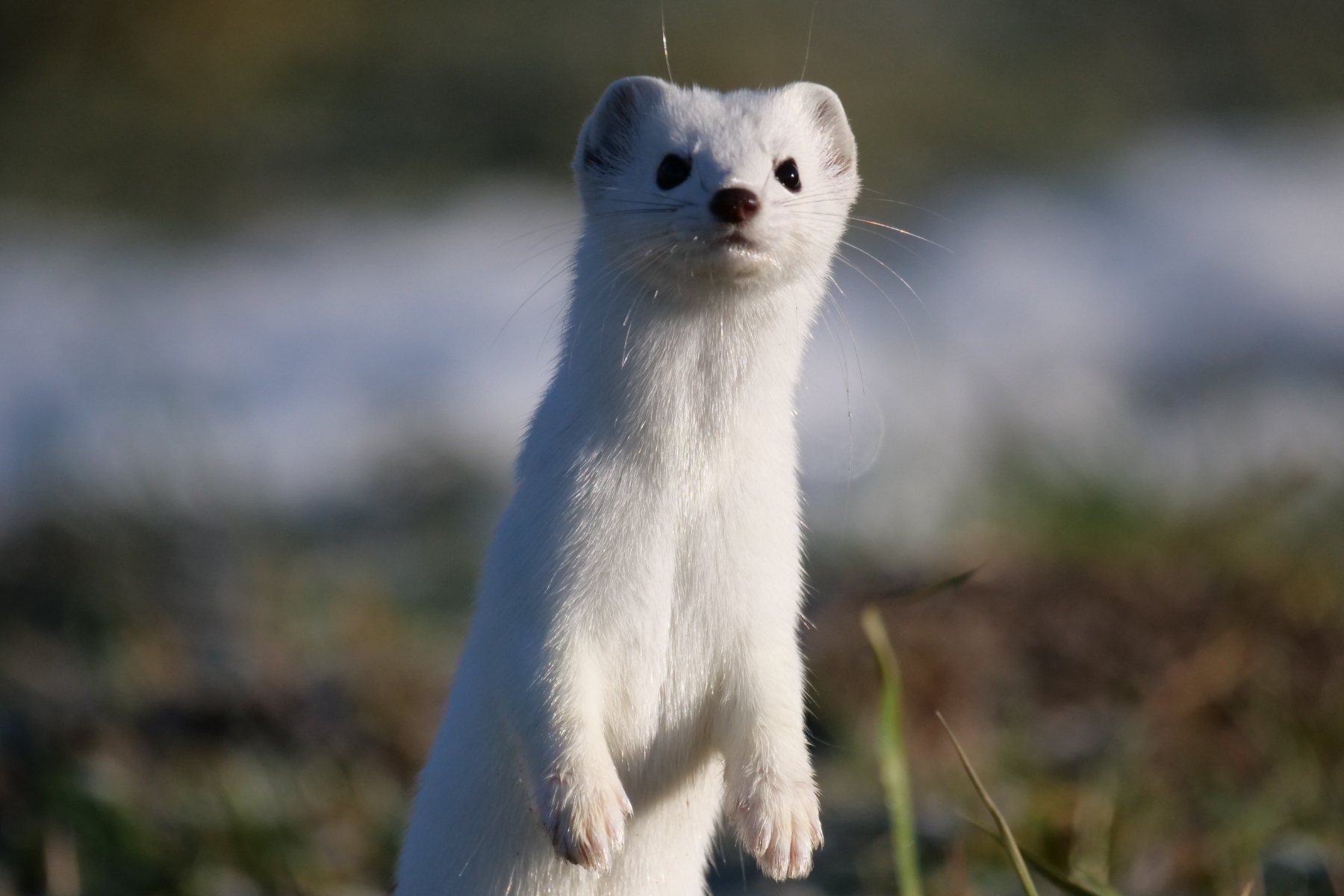
Creating more habitat for stoats with simple piles of stones
Researchers at the University of Bern have been able to show that simple measures to promote biodiversity, such as the installation of branch and stone piles, boost stoat populations in agricultural areas in Switzerland. This is particularly true if the measures are professionally supervised, planned and coordinated. These results provide important impulses for agriculture and nature conservation.
Despite decades of efforts, the populations of many animal species typically found in agricultural landscape continue to decline in Switzerland: more than 50% of these species are still on the Red List of endangered species. Stoats and least weasels are particularly affected. These small predators play an important ecological role in agriculture, as they feed on field mice and water voles and thus contribute to biological pest control. A stoat usually eats one to two voles per day. At the same time, these small animals from the same family as the marten are dependent on diverse, structurally rich landscapes that offer them hiding, breeding and hunting opportunities.
In two successive studies, researchers from the Institute of Ecology and Evolution at the University of Bern, led by Dr. Jean-Yves Humbert, investigated for the first time how regional biodiversity promotion projects, in particular the installation of small structures such as piles of stones and branches, affect the populations of stoats and least weasels. Their results show that simple small structures significantly increase the presence of stoats in agricultural areas. This is particularly evident when regional biodiversity projects are professionally supervised, specifically planned and coordinated between several farms at landscape level. In the case of least weasels, on the other hand, it was not possible to assess the effect of the measures on their population due to the low number of animals detected.
Effectiveness of regional biodiversity promotion projects
Regional biodiversity promotion projects include coordinated nature conservation initiatives such as regional nature parks, projects by nature conservation organizations or agricultural networking projects in which farmers, authorities and experts work together to specifically enhance and network habitats. "Although regional biodiversity promotion projects have long been considered useful, there has so far been a lack of scientific evidence of their actual impact," explains Andrin Dürst, co-author of the studies and doctoral student at the Institute of Ecology and Evolution at the University of Bern.
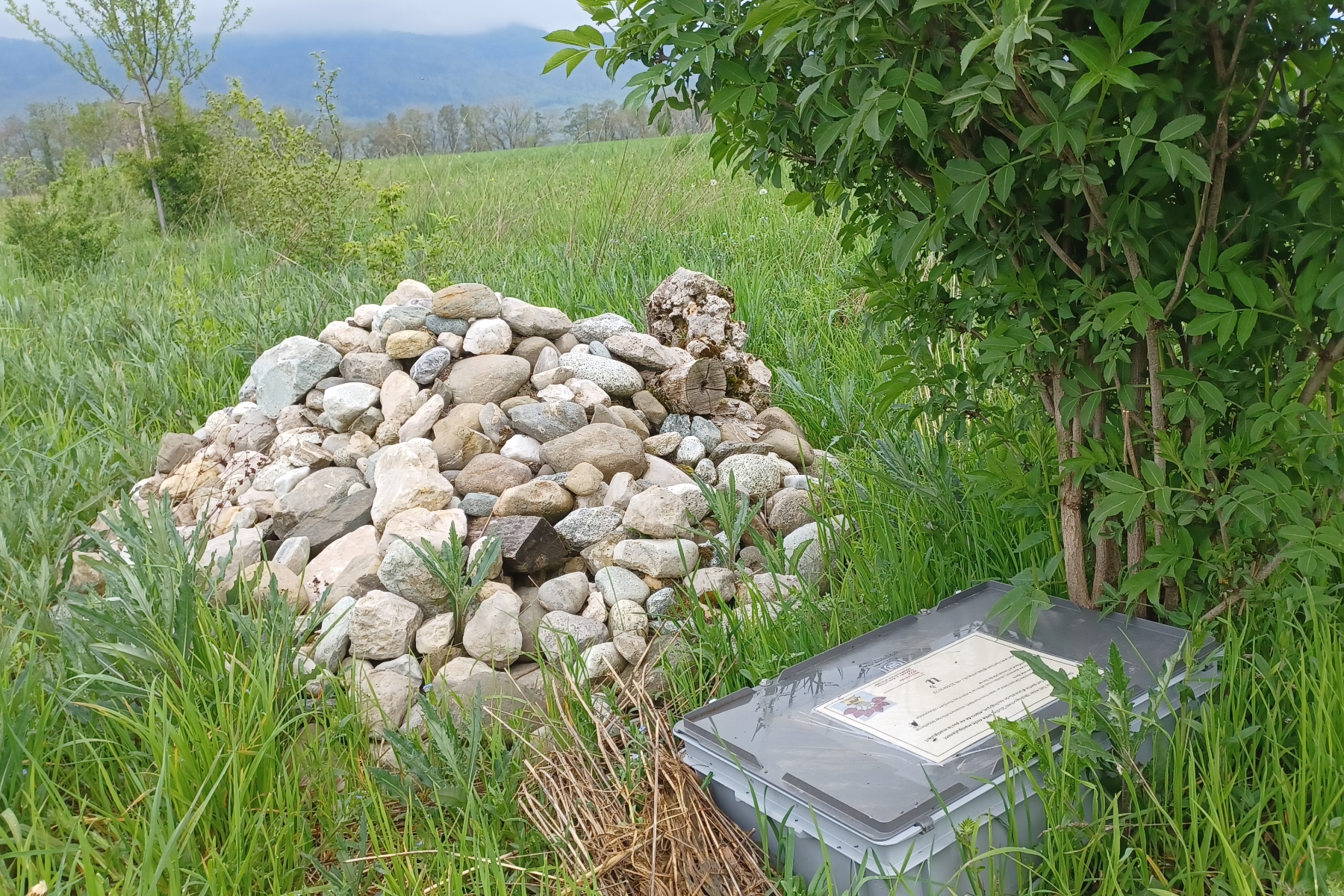
The research team therefore investigated the effects of such measures in agricultural areas of Switzerland. They examined 14 paired regions in the Swiss Plateau, each consisting of an area with measures that promote biodiversity, such as the installation of small structures like stone and branch piles, and a comparison region without such measures. In the comparison areas, small structures were sometimes found, but theses structures were established without coordination or professional supervision.
Detecting stoats and least weasels with sniffer noses and cameras
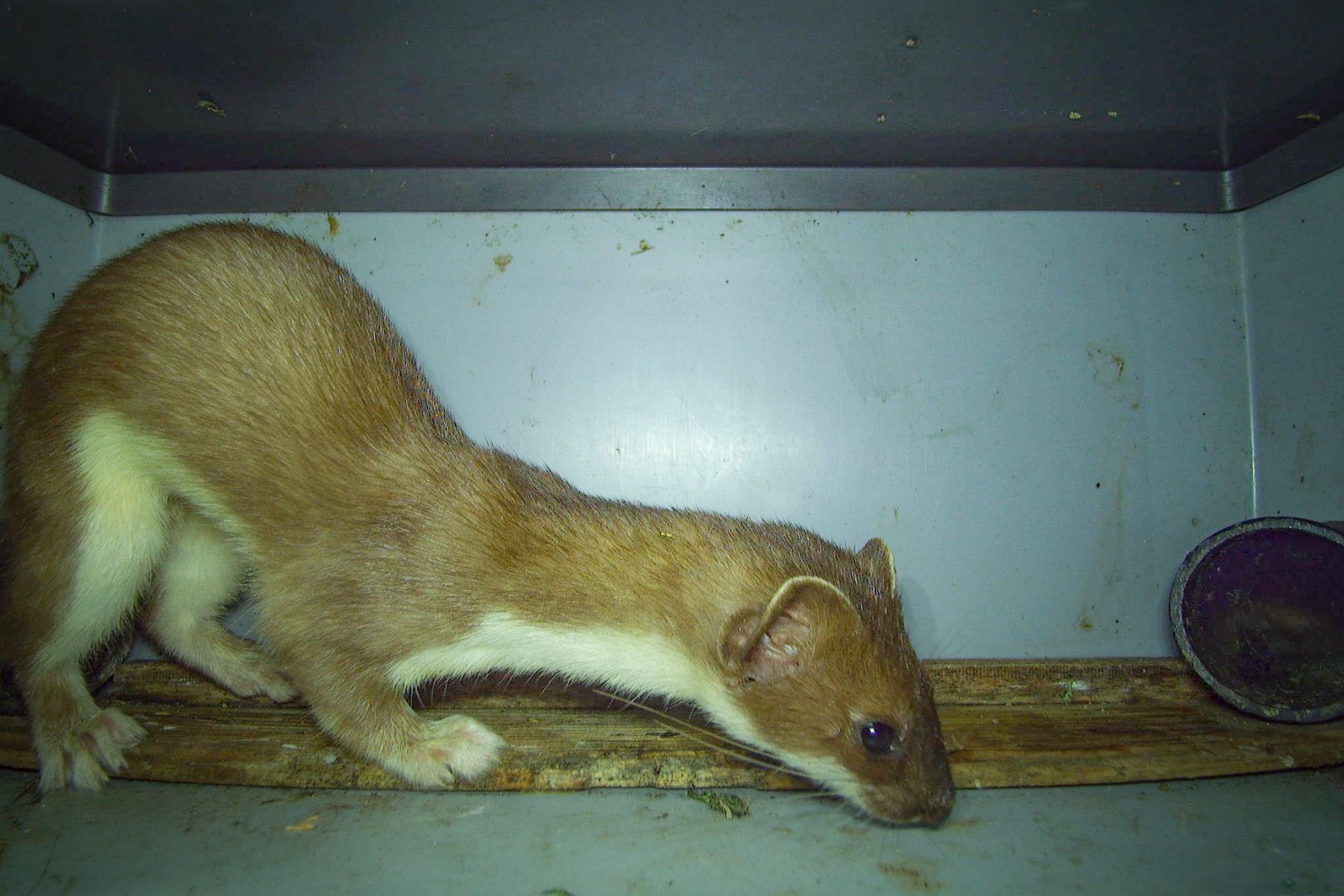
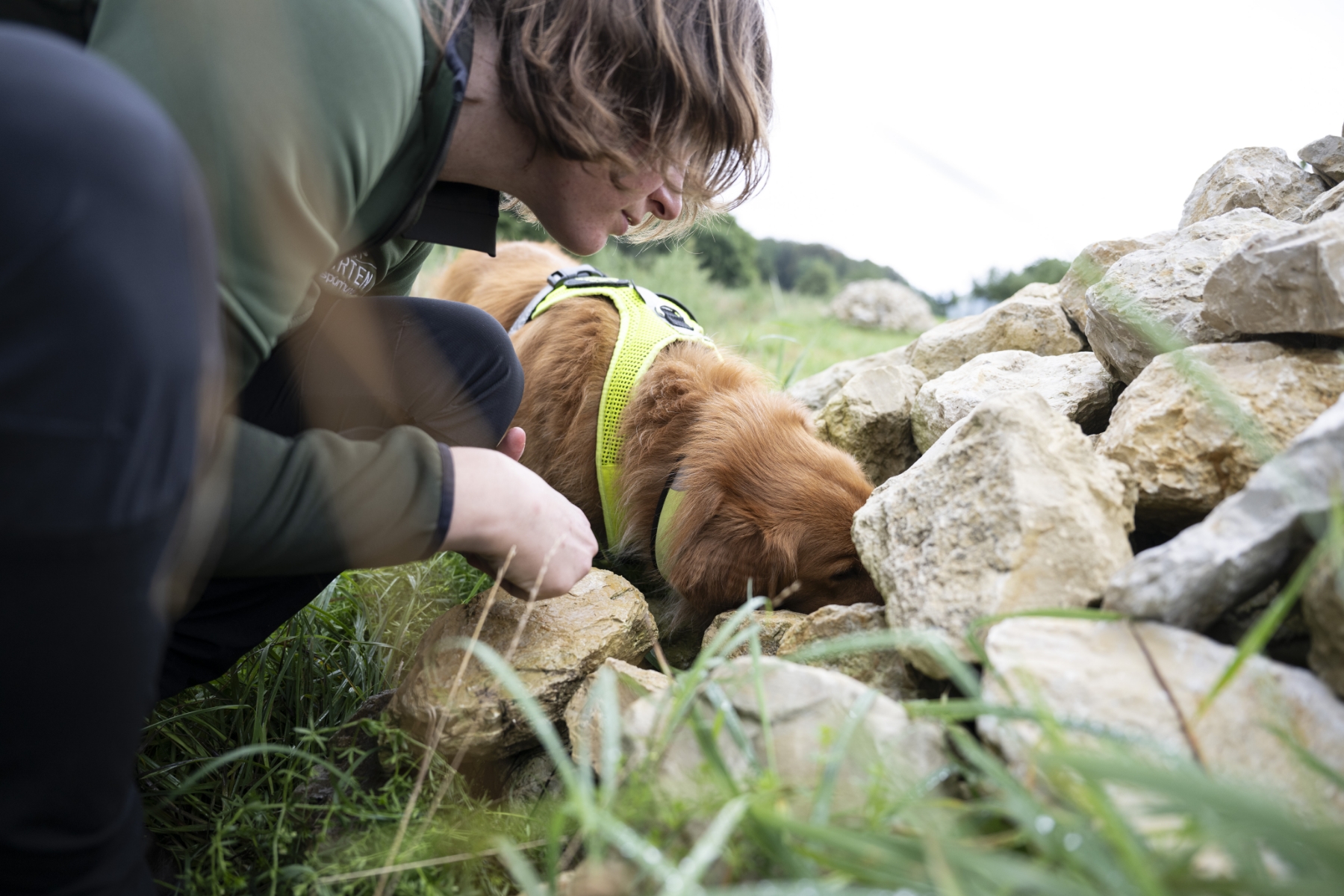
The researchers used two novel methods to study the population of the discrete animals: camera traps and species detection dogs. The camera traps were installed in boxes with tunnels that the curious animals like to explore and pass through. This allowed them to be photographed unnoticed. In addition, specially trained sniffer dogs were used for the first time and in collaboration with Artenspürhunde Schweiz. These dogs are trained to detect the droppings of stoats and least weasels using their sense of smell. This combination of technical equipment and animal nose enabled the presence of the stoat and least weasel to be detected precisely and efficiently. "This approach enabled us to make a reliable and large-scale comparison between areas with and without support measures," says Dürst.
Small structures increase the presence of stoats
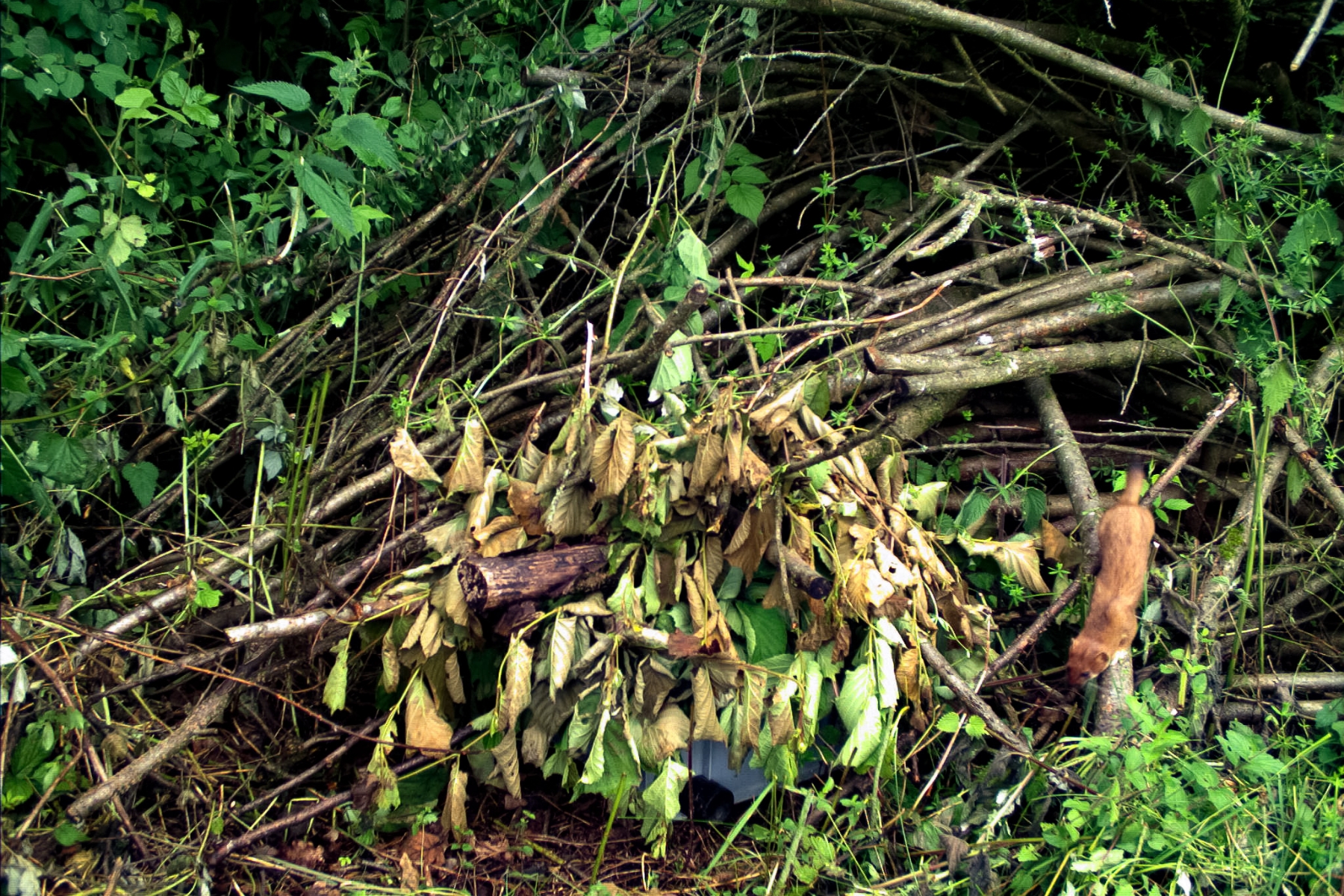
The results show that 2.5 times more stoats were detected in regions with coordinated support measures than in comparable areas without such measures. Small structures such as piles of stones and branches play a key role as retreats and hunting grounds. Their number has a positive effect on the abundance of stoats, with rock piles being preferred by the animals, especially if they are sufficiently large and have suitable cavities.
"Unfortunately, the number of least weasels detected was too low to draw any conclusions about the effect of the measures on this species. This reflects its status as an endangered species on the Swiss Red List," says Jean-Yves Humbert, head of the two studies.
Regionally coordinated biodiversity promotion projects are particularly effective
"Our results also show that not only the presence of structures is crucial for the population of stoats, but also their quality and targeted placement in the landscape," explains Dürst. Professional planning and close cooperation between farmers, biologists and authorities are crucial for the success of these measures. Humbert adds: "The results provide an important impetus for agricultural and nature conservation policies. Increased cooperation at landscape level and the targeted promotion of small habitats can improve biodiversity in the long term, to the benefit of nature, agriculture and society".
In a next step, the research group will investigate the effect of small structures on other species groups such as reptiles, ground beetles and spiders.
Publication details:Egloff, G. B., Schenker, L., Riverendo, S., Dürst, A. C., Heckel, G., Karp, D., & Humbert, J.-Y. (2025). The role of small structures for stoats in agricultural landscapes. Journal for Nature Conservation, 85. Dürst, A. C., Egloff, G. B., Schenker, L., Arlettaz R., & Humbert, J.-Y. (2026). Regional biodiversity conservation projects enhance stoat populations in agricultural landscapes. Global Ecology and Conservation, 66. |
Institute of Ecology & EvolutionThe Institute of Ecology and Evolution at the University of Bern is devoted to research and teaching in all aspects of ecology and evolution and aims to provide a scientific basis for understanding and preserving our living world. The mechanisms by which organisms respond to and interact with their environment are investigated, including phenotypic responses at the individual level, changes in gene and allele frequencies at the population level, changes in the species composition of communities, and the functioning of entire ecosystems. More information: https://www.iee.unibe.ch/ |
09.02.2026