Social competence in fish depends on siblings
Researchers at the University of Bern have investigated the influence of siblings on the development of lifelong social competence in African cichlids. In an experiment, they show for the first time that two factors must work together for this effect to occur: Both the number of siblings present during early life and the quality of their interactions with them are crucial.
The social environment that humans experience during their development plays a crucial role in the development of social competence – the ability to react appropriately to social challenges. The sibling environment is particularly important for the development of children's social behavior, especially their social competence. Many animal species are also born in litters or broods of different sizes, with interactions with siblings dominating early social experiences. However, there is little knowledge about the role of siblings in the social behavior of animals.
This is targeted by a new study by Barbara Taborsky, Professor in the Department of Behavioral Ecology at the Institute of Ecology and Evolution, and Bruno Camargo dos Santos, PhD student in the Department of Behavioral Ecology at the Institute of Ecology and Evolution at the University of Bern . In a long-term experiment with African cichlids, they show for the first time that both the number of siblings and the quality of interactions with them play a crucial role in the development of social competence in fish. The study was published in the journal Proceedings of the National Academy of Sciences (PNAS) and provides new insights for fish behavioral research.
Specialized infrastructure in Bern
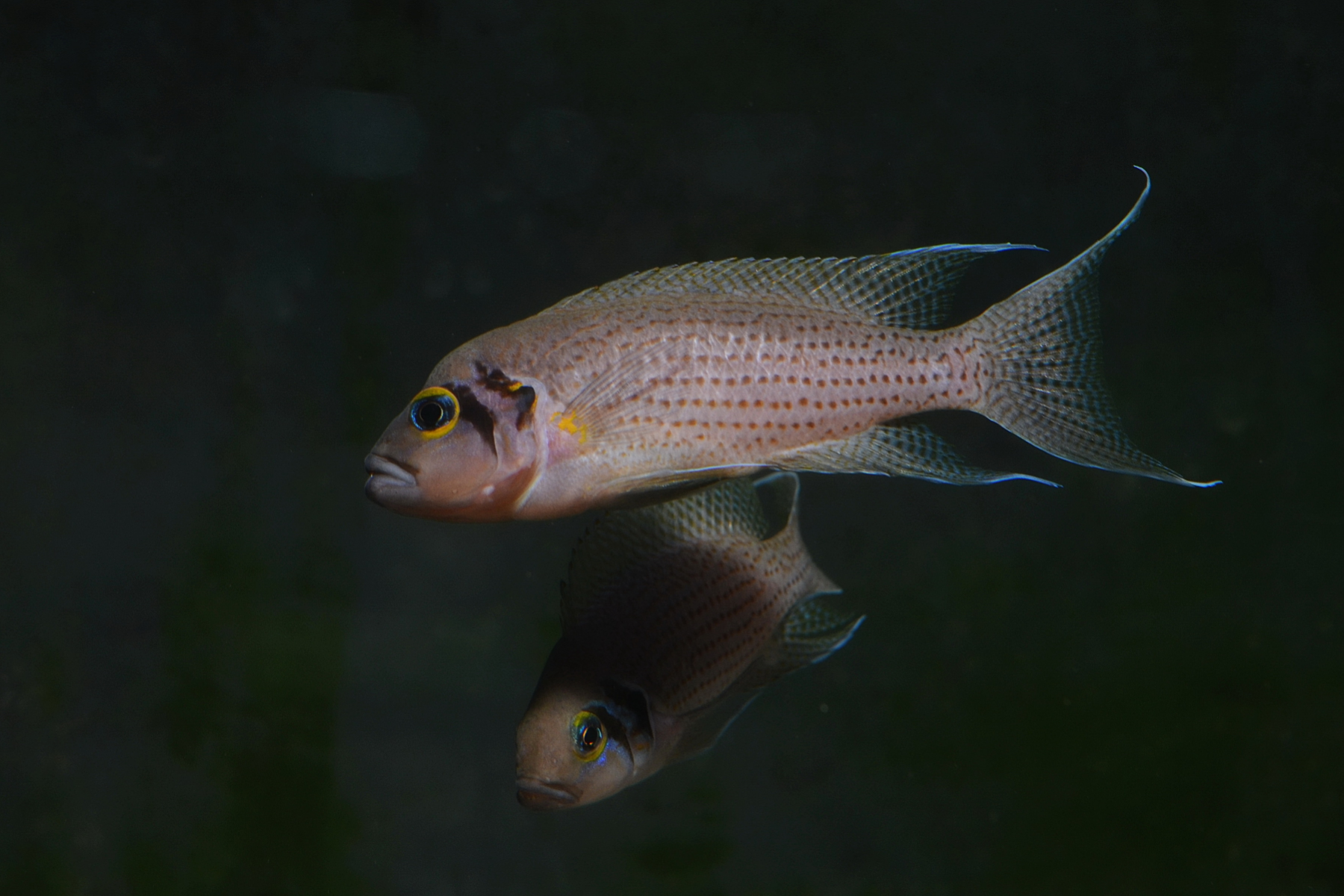
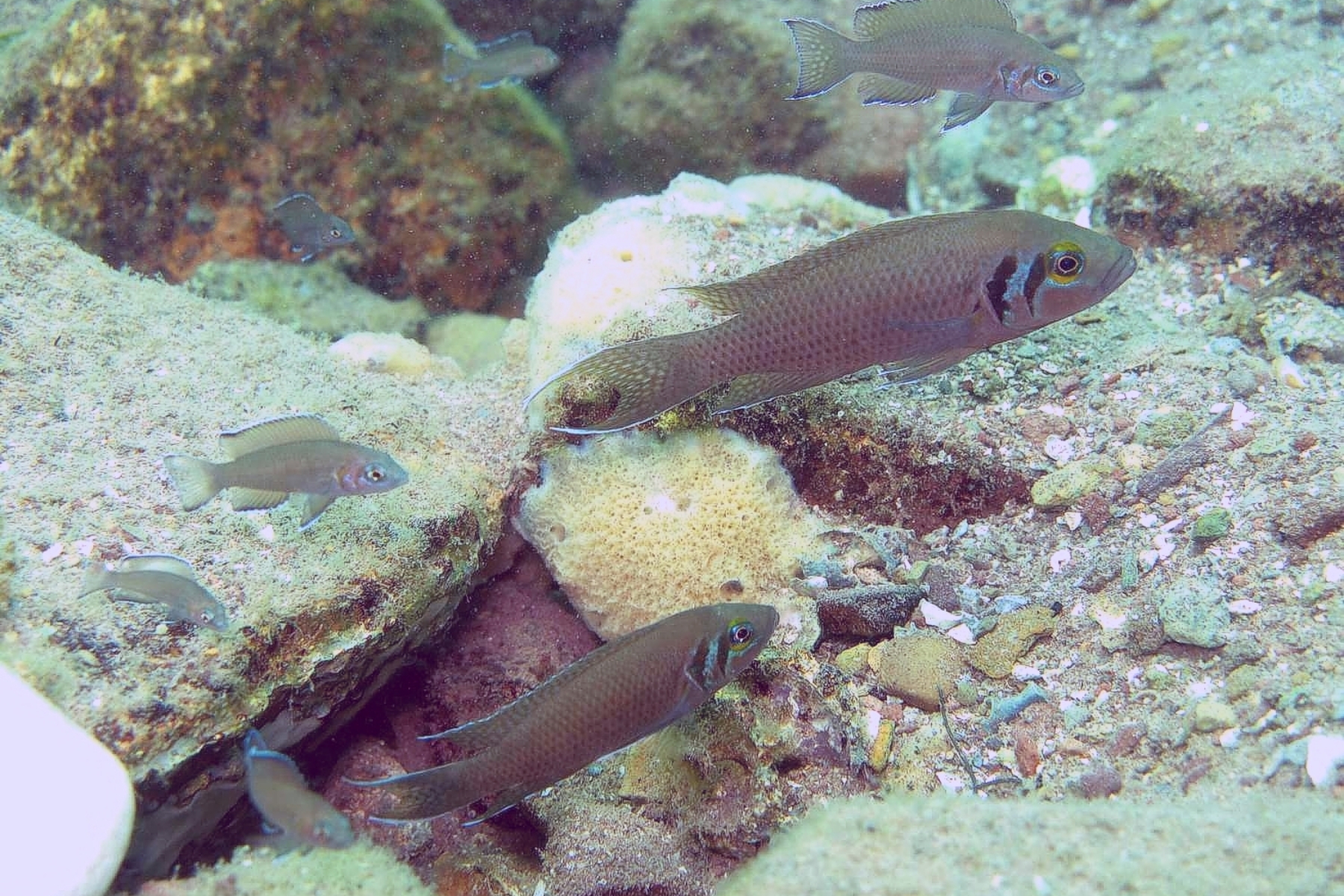
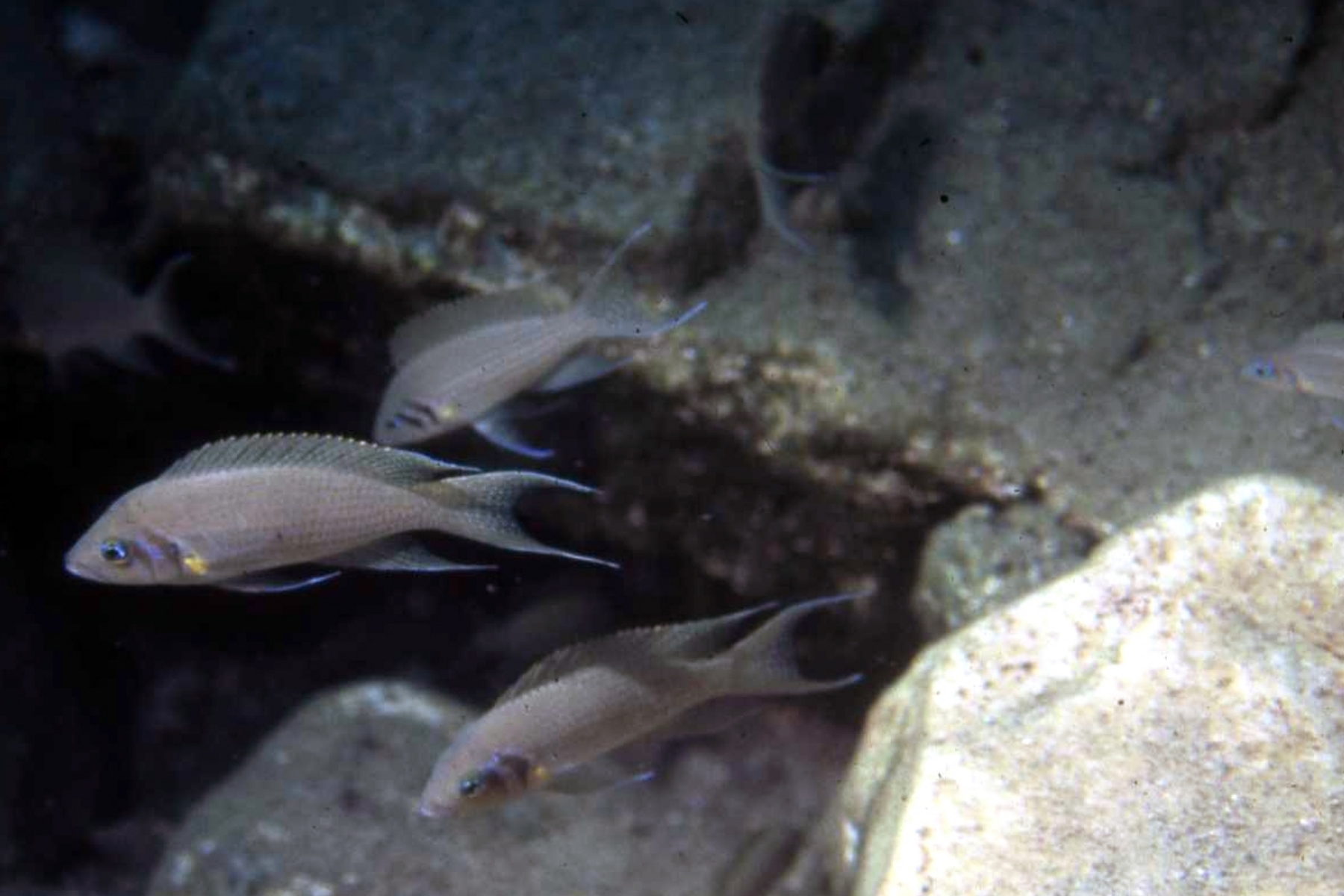
The study was conducted at the Hasli Ethological Station of the University of Bern. The researchers developed an innovative experimental setup to experimentally separate the respective influences of sibling number and interaction possibilities. They reared small and large broods of African cichlids – a fish species with a highly developed social system – under controlled conditions and specifically varied the opportunities for interaction between the young fish. "For example, we were able to compare groups with many, freely interacting siblings with equally large groups in which the fish could only have direct contact with some of their siblings – because they were separated by a glass wall," says Bruno Camargo dos Santos. This approach made it possible for the first time to systematically investigate the isolated and combined effects of group size and interaction quality on the social development of animals. "Our laboratory specializes in studying social and other environmental effects on the development of young animals and their lifelong behavioural effects. The infrastructure at the Hasli Ethological Station offers unique conditions for controlled, long-term experimental studies on this topic," explains study leader Barbara Taborsky.
Number of siblings and type of interaction promote social competence
The results of the long-term experiment show that neither the number of siblings nor the interactions alone predict the development of social competence in cichlids. Only the interaction of both factors reliably promotes social competence. "With our work, we show for the first time in an experiment that even in fish – similar to humans – the sibling environment shapes social competence in later life. What has remained unexplored in the animal kingdom until now, however, is the question of whether it is only the number or also the quality of social relationships that matters," says Camargo dos Santos. "This is a long-standing question in science. Some previous findings suggest that the size of the group in which animals live determines their social intelligence. However, contrary opinions say that social interactions are more important than mere group size. In our study, we were able to examine the two factors separately for the first time," says Taborsky.
The results of the experiment show that fish that grew up in larger broods showed more affiliation behavior towards their siblings in early adolescence and were more socially competent later on. "Affiliation behavior is shown, for example, when a submissive fish gently nudges a dominant fish in the group in the abdominal region or when two fish swim parallel or close together," explains Taborsky.
Socially more competent fish adapted better to a conflict situation in which they were predetermined to be the inferior conflict partner due to their smaller size. They showed more appropriate and submissive behavior and less inappropriate and aggressive behavior. Taborsky continues: "The success of these more appropriate behaviors was demonstrated by the fact that more socially competent fish were better able to integrate into social groups and were less aggressive, for example by not attempting to bite their conspecifics."
Same results in unrelated fish?
"Until now, there has been little knowledge about the role of siblings in the social behavior of animals," says Taborsky. In a next step, however, the research group would also like to investigate the effect in unrelated juvenile fish and examine whether the combination of group size and quality of interactions is of central importance for the acquisition of social competence in general and not just in siblings. "Secondly, we want to investigate the effects of social competence on the survival probability of cichlids and their reproductive success in general. This will be done under the semi-natural, controlled conditions that we can create in the aquarium in Bern," concludes Taborsky.
Publication details:B. Camargo dos Santos & B. Taborsky (2026). Sibling number and early interactions shape social competence for life. PNAS, Vol. 123 No. 9. |
About the Division of Behavioral Ecology, University of BernThe Division of Behavioral Ecology at the Institute of Ecology and Evolution, University of Bern, studies the evolutionary mechanisms underlying animal behaviour in relation to ecological and social conditions. Together with other divisions, it creates a scientific foundation for understanding and preserving the living environment. The division investigates how organisms respond to and interact with their environment, including phenotypic responses at the individual level, genetic changes at the population level, and the evolution of key elements of animal behaviour and social systems. More information |
26.02.2026