Lonely and suspicious: how social interactions develop under extreme conditions
An international study led by the University Clinic of Psychiatry and Psychotherapy at the University of Bern has investigated the social dynamics of a ten-month overwintering period at the Antarctic research station Concordia. It shows that loneliness, mistrust and conflict increase under extreme conditions, while cohesion and performance decline. Wearable body sensors have the potential to detect such developments at an early stage.
The widely shared images of the four Artemis astronauts orbiting the Moon in April – often smiling broadly – captivated people around the globe. But how do feelings of closeness, loneliness and mistrust actually evolve over the course of such missions? Extended stays in isolated, confined and extreme (ICE) environments are central not only to future missions to the Moon and Mars, but also for teams working in polar stations, submarines, offshore facilities or war zones. These settings place a heavy burden on team members: months of separation from the outside world, intense pressure and very limited space. Stable relationships and strong team cohesion are crucial for the success of such missions. However, the ways in which prolonged isolation combined with constant physical proximity affect mental health and team dynamics have so far not been sufficiently investigated.
An international study led by the University Clinic of Psychiatry and Psychotherapy at the University of Bern in collaboration with the University Hospital of Würzburg and the Universities of Zurich, Turin, Lisbon, Melbourne and Madrid has now closed this gap. It shows that loneliness, mistrust and conflict increase under extreme conditions, while team cohesion and perceived individual performance decrease. The results were recently published in the journal PNAS - Proceedings of the National Academy of Sciences of the United States of America.
Antarctic overwintering as a model for extreme working environments
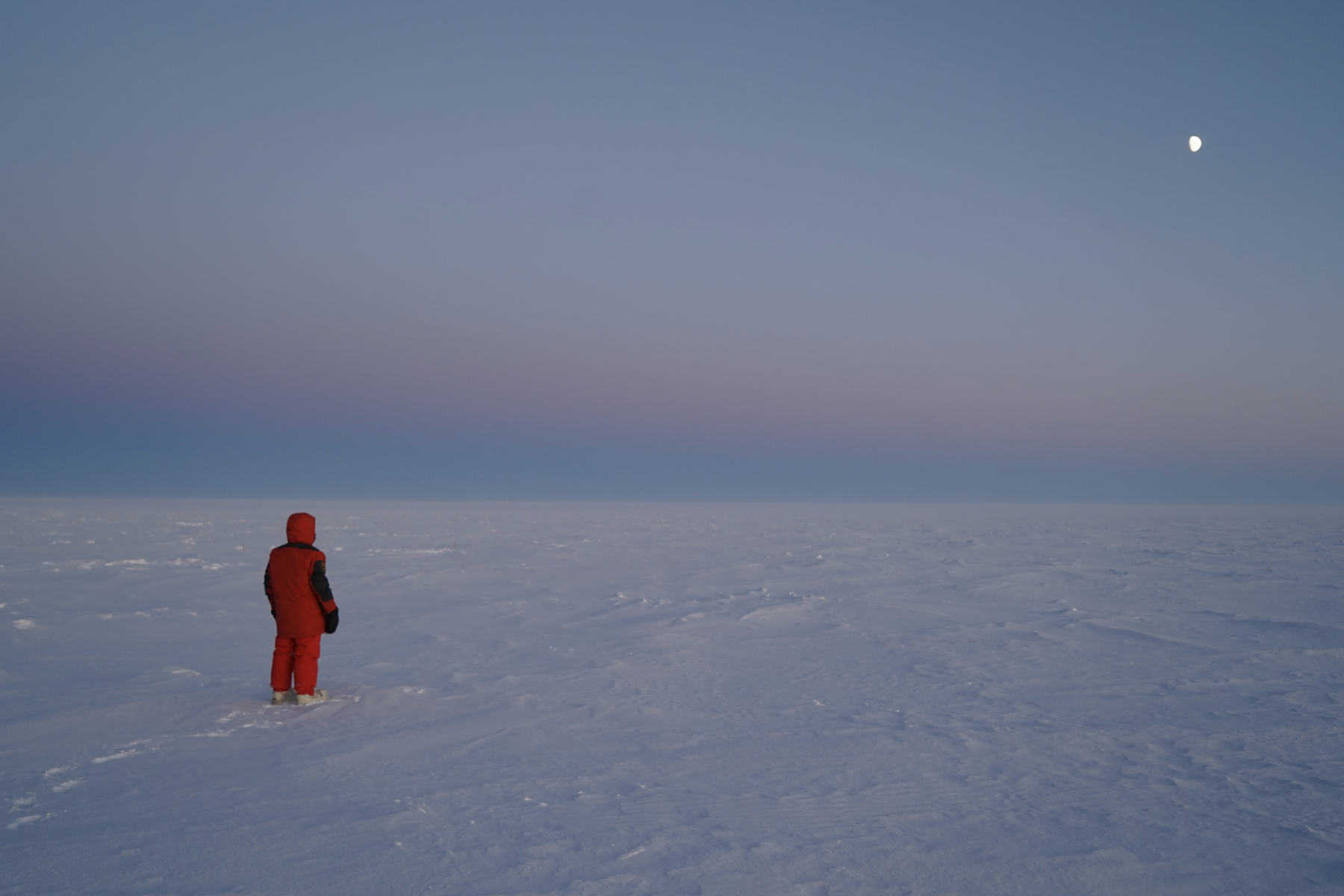
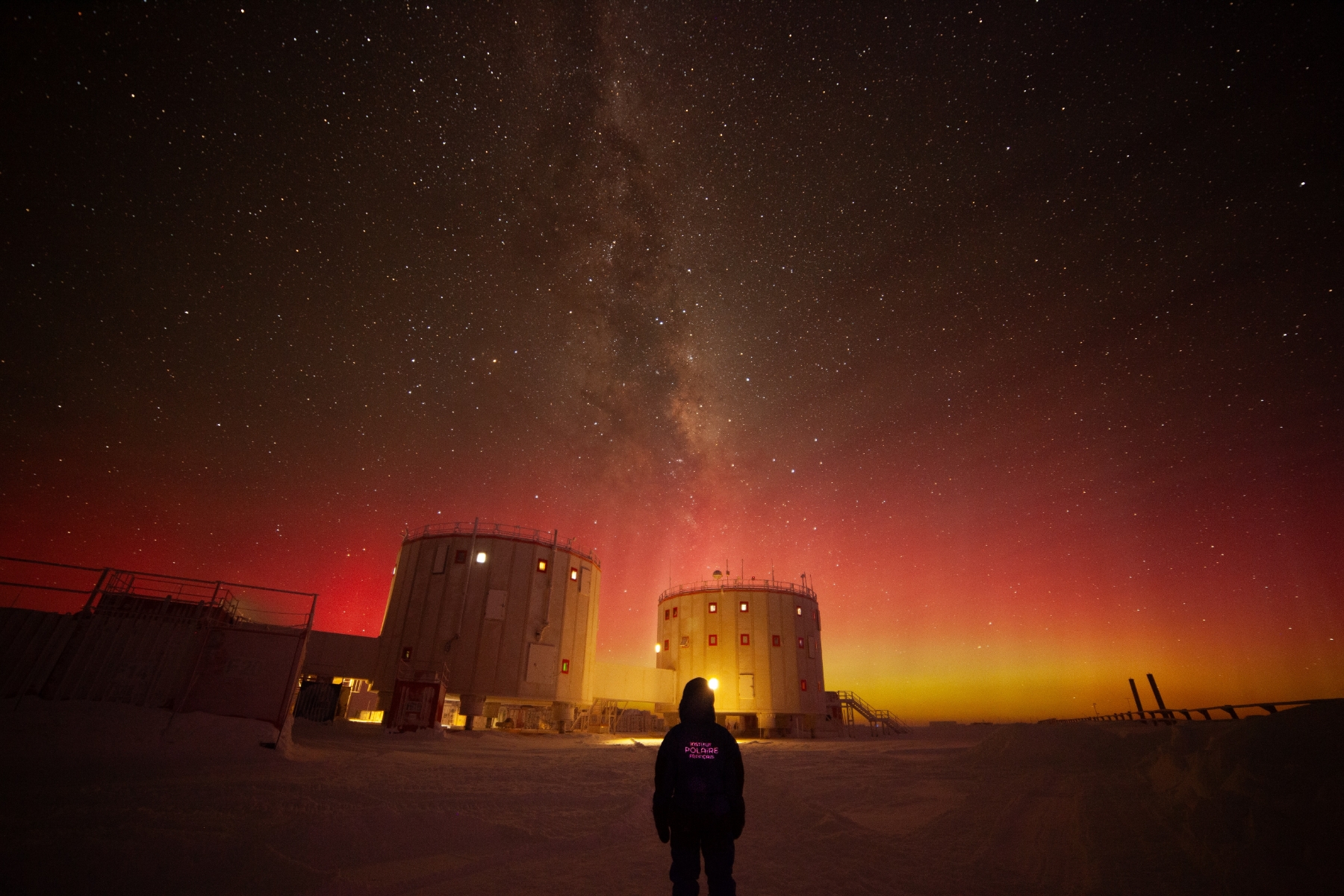
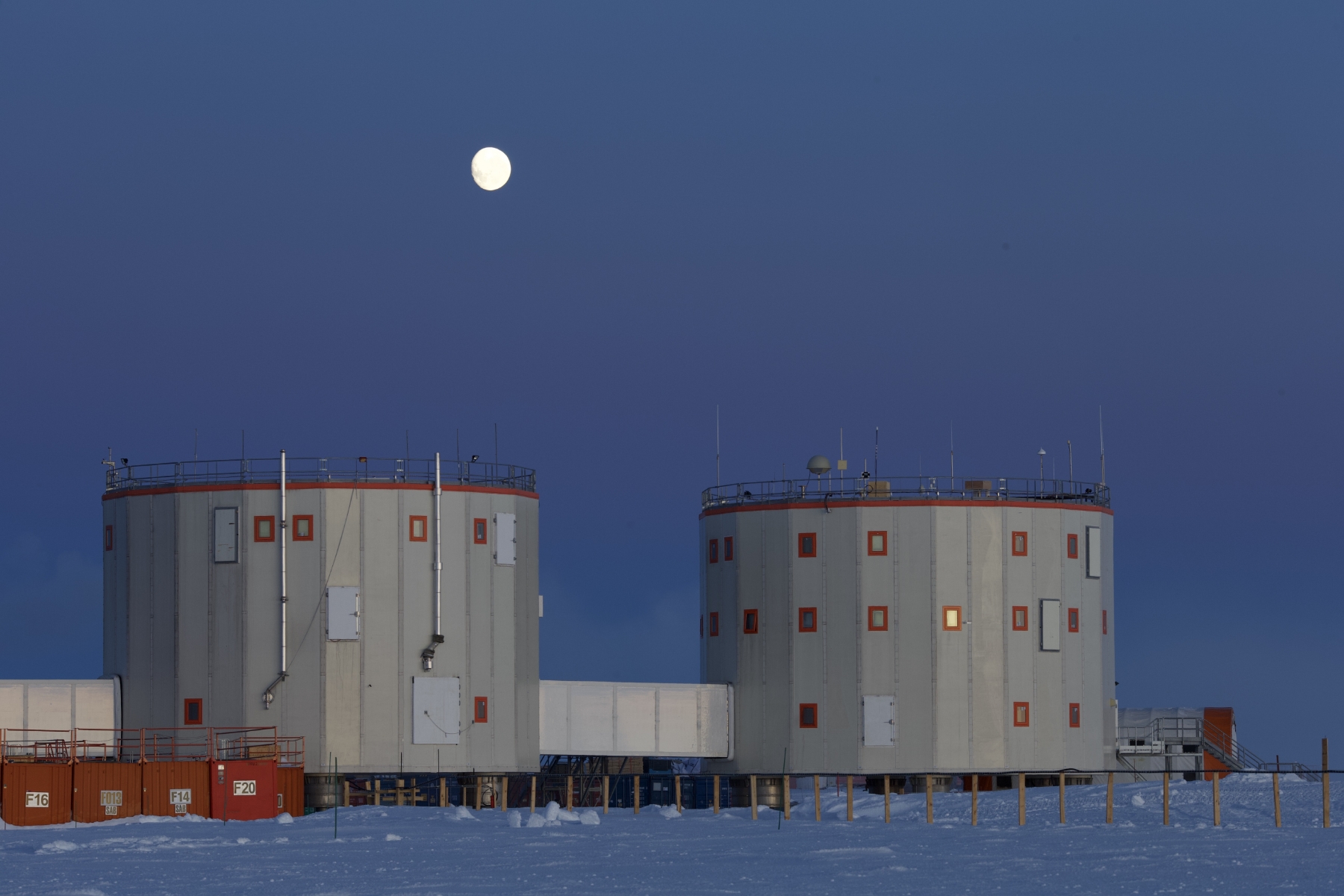
Antarctic overwintering provides one of the most realistic terrestrial models for ICE environments. Concordia Station is located at an altitude of over 3,000 meters in the Antarctic interior, with temperatures as low as minus 80 degrees. In winter, it is cut off from the outside world for around nine months. "The remoteness of Concordia is even greater than that of the International Space Station (ISS) - the nearest human settlement is more than 600 km away, while the ISS is 400 km from Earth," explains Prof. Dr. Sebastian Walther, last author of the study, who initiated the project together with researchers from the University Clinic of Psychiatry and Psychotherapy at the University of Bern and has been Director of Psychiatry at the University Hospital of Würzburg since October 2024.
Proximity does not automatically protect but leads to more conflict and mistrust
Twelve crew members at Concordia Station were surveyed at four time points during the ten‑month mission about loneliness, mistrust – or paranoid thoughts – team cohesion, conflicts and perceived performance. At the same time, during several two-week phases, the crew members wore sensors that automatically recorded their proximity to other people at a distance of around one to one and a half meters. These wearable sensors, developed by the co-authors at the ISI Foundation Turin, enabled high-resolution recording of social interactions. Additional room sensors recorded where these interactions took place. "The combination of personal self-assessments with objective sensor data provides an unprecedentedly detailed picture of how social networks and psychological strain evolve over time in extreme teams,” explains Dr. Andrea Cantisani, co-first-author with Prof. Jan B. Schmutz from University of Zurich. Cantisani initiated the project while at the University Hospital of Psychiatry and Psychotherapy at the University of Bern and now works at the Kilchberg Sanatorium.
Over the course of the mission, both individual stress and problems in team dynamics increased. "Loneliness and paranoid thoughts increased, while cohesion and perceived performance decreased and conflicts increased," summarizes Cantisani. The sensor data also showed that more frequent and longer physical proximity was not automatically associated with better well-being or stronger cohesion, but on the contrary was linked to more conflicts, paranoid thoughts, a tendency towards loneliness and lower team cohesion and performance perception.
Splitting crew members by nation
Network analyses also revealed that over time the crew increasingly divided along national lines: French and Italian team members spent more and more time within their respective groups fostering the formation of subgroups and thereby raising the risk of polarization and tension. “Our findings make it clear that such missions are not just about individual resilience but about the social fabric as a whole” emphasizes Sebastian Walther. “When loneliness, mistrust and conflict increase and subgroups emerge, this can become a safety issue in an emergency – in space just as in Antarctica.”
Bernese expertise in medicine and space research
In this project, the University of Bern brings together two of its key research areas - medicine and space research - in an interdisciplinary collaboration between clinical psychiatry, neuroscience, data science and behavioral analysis in complex social systems. The University of Bern is an international leader in the field of research into mistrust and paranoid thought processes in particular; Prof. Dr. Katharina Stegmayer, co-author of the study and Professor of Biological Psychopathology at the University Clinic of Psychiatry and Psychotherapy at the University of Bern, is also a co-founder of the International Consortium on Paranoia Research, which provides key impetus for this field of research.
Commenting on the findings, Stegmayer says: "Intuitively, we would expect that in a highly isolated environment, increased contact would foster a greater sense of social closeness and thus stabilize mental health. However, our data suggest that in a persistently tense, confined setting, frequent contact can also generate more friction, mistrust and overload." This is particularly striking given the rigorous selection procedures before overwintering: “Even though the crew members are healthy, psychologically resilient individuals, they are not immune to developing paranoid tendencies,” Stegmayer notes.
Early detection of risks in ICE environments
The study is particularly relevant for organizations that deploy teams for extended projects in isolated, confined and extreme environments. Stegmayer says: "The combination of clinical research with data-driven approaches is a particular strength of the Bern site and was crucial for the implementation of this project in a highly complex, real-world setting." Nevertheless, the study also has limitations: It involves a single team in a very specialized environment. To derive robust recommendations for space travel, the military or industry, additional teams and studies using similar methods are needed - ideally with even better recording of the interaction quality. Moreover, proximity sensors only record spatial proximity, but not the quality or content of interactions. The research team therefore plans to apply the methodology to other extreme teams, place greater emphasis on measuring interaction quality, and test whether continuous monitoring and targeted interventions can mitigate critical developments. “Our work shows that it is possible to collect data on psychosocial risks in extreme teams objectively and continuously,” summarizes Stegmayer. “The next step is to use this knowledge to provide targeted support for teams at Antarctic stations or on future Moon and Mars missions, to identify critical developments at an early stage and to plan countermeasures – before tensions escalate.”
Publication details:Andrea Cantisani, Jan B. Schmutz, Pedro Marques-Quinteiro, Lorenzo Dall’Amico, Ciro Cattuto, Mirko Antino, Walter J. Eppich, Katharina Stegmayer, and Sebastian Walther. Social interactions in isolated, confined, and extreme environments: A study of Antarctic winter teams using wearable sensors. PNAS. 2026 Vol. 123 No. 0 e2533420123 The study will be available online in the course of the week. |
About the UPDUniversitäre Psychiatrische Dienste Bern (UPD) AG is the competence center for psychiatry and psychotherapy in the Canton of Bern. With over 1,900 employees at more than 25 locations, UPD offers the entire range of psychiatric care, from early diagnosis and outpatient care, day-care and inpatient treatment to the rehabilitation and reintegration of people with mental illness. The four university clinics and the Psychiatric Rehabilitation Center offer a broad spectrum of specialised services. As a university hospital, UPD has an extended mandate in specialised psychiatric care, teaching and research as well as education, training and further development. |
26.05.2026